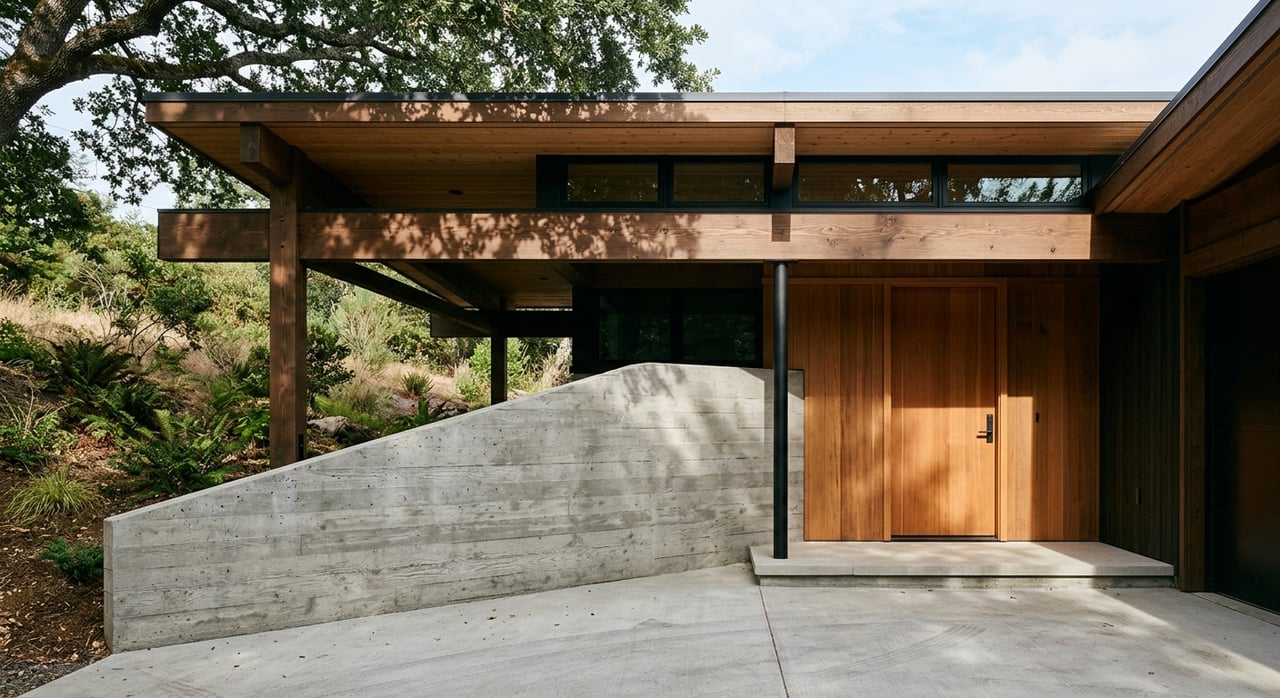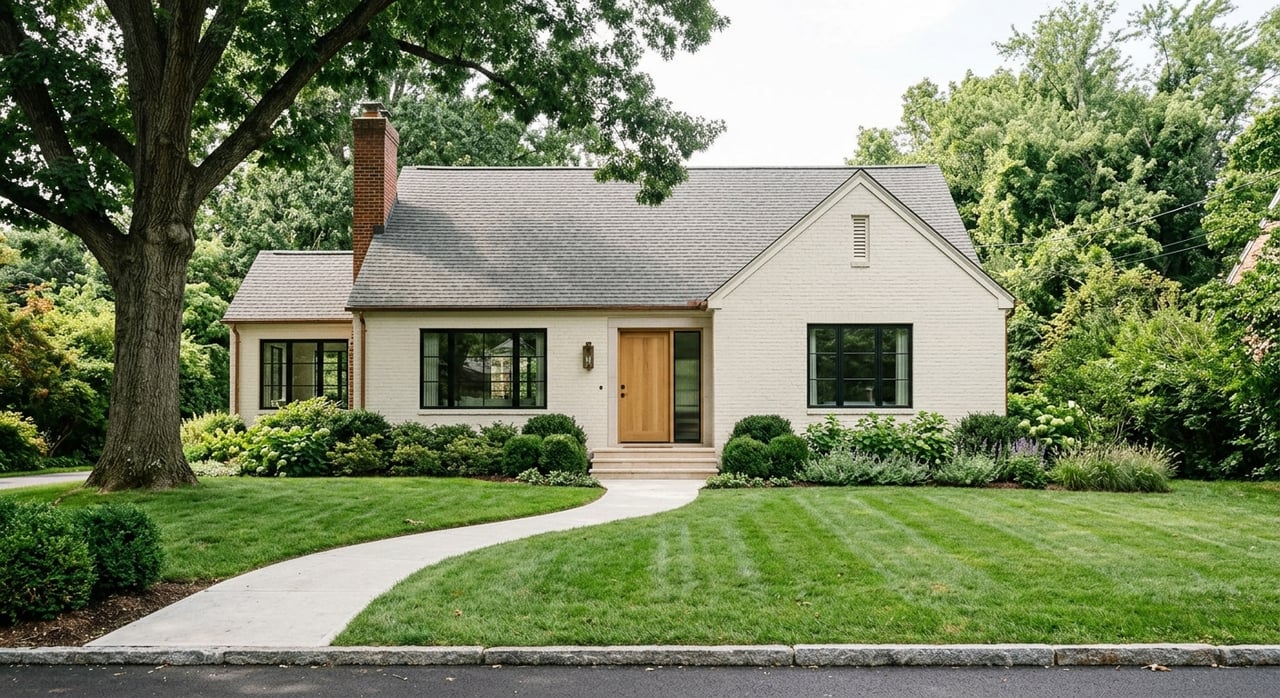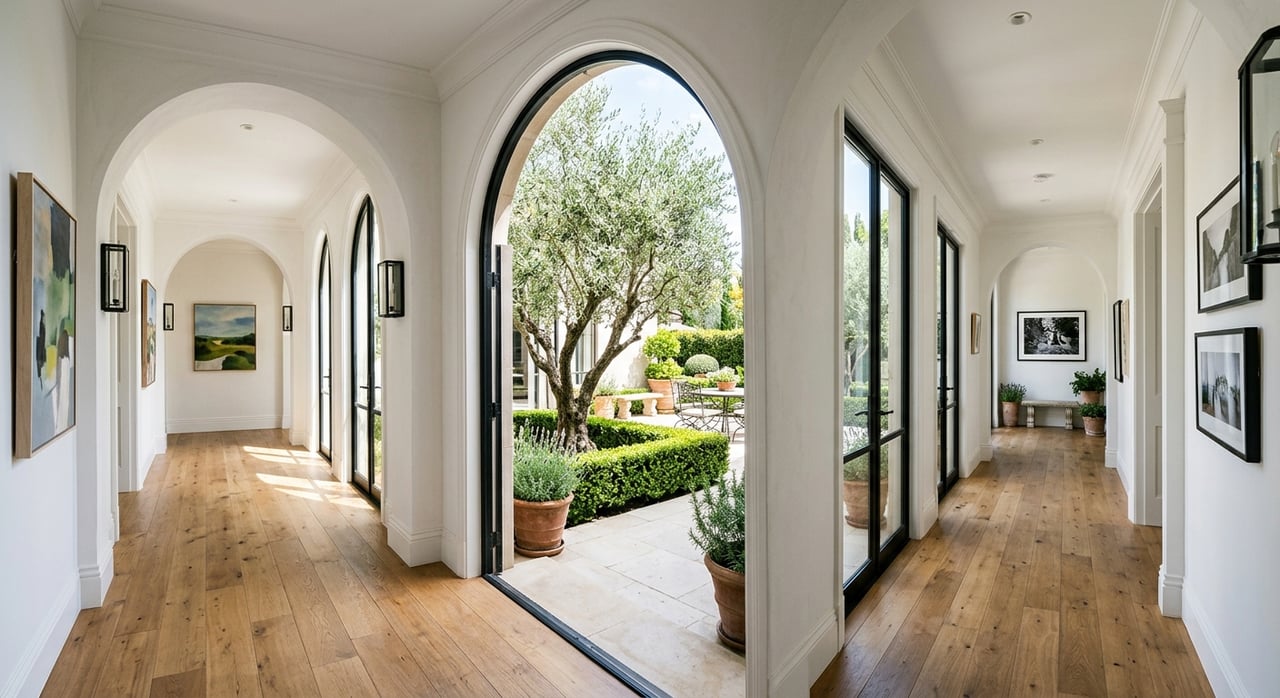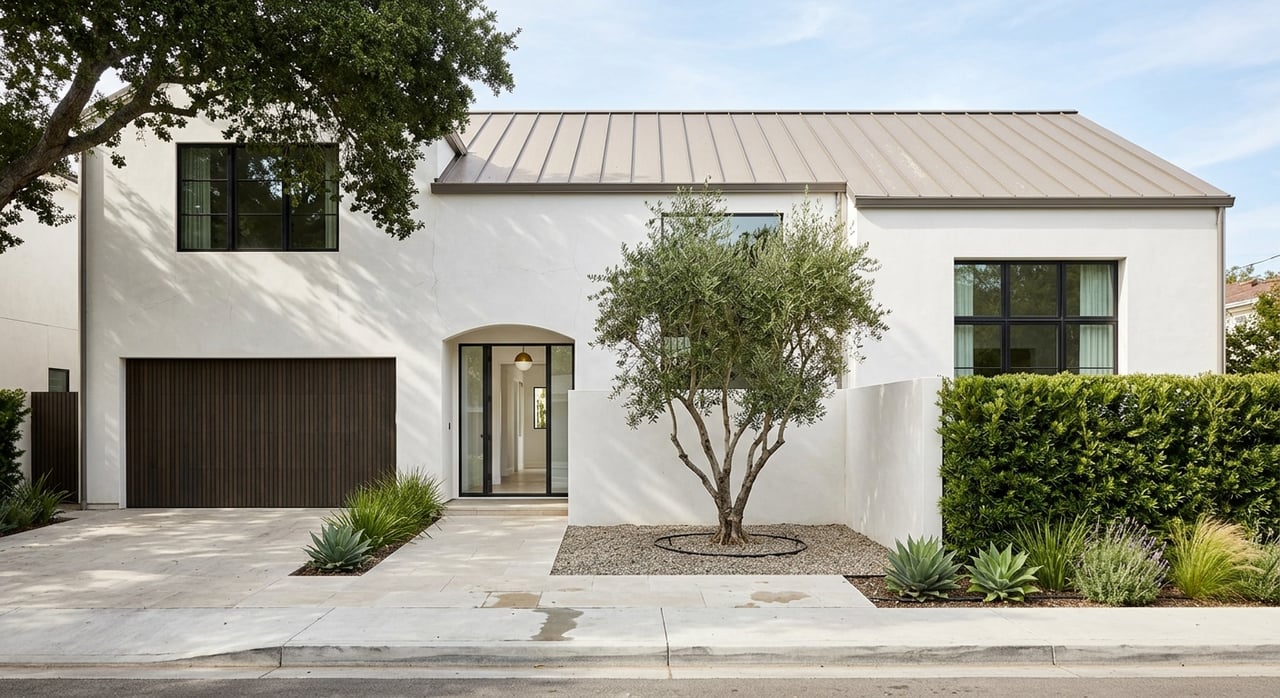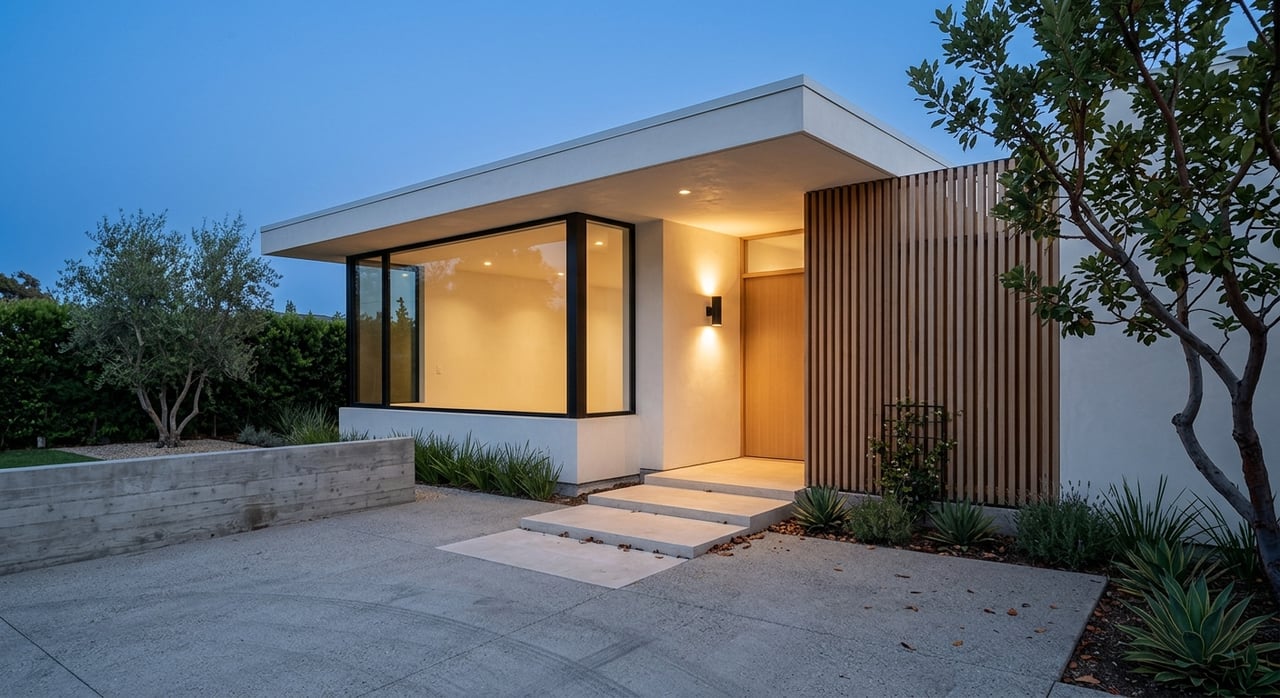
If you are selling an architectural home in Hollywood Hills East, you are not just bringing a property to market. You are presenting a design story, a setting, and often a piece of hillside history. In a premium but price-sensitive market, that difference matters. This guide will show you how to position your home thoughtfully, price it with precision, and market it in a way that speaks to the right buyer. Let’s dive in.
Why architectural homes need a different strategy
Hollywood Hills is not one uniform market. It is a collection of canyon, ridge, and historic hillside neighborhoods, each with its own identity, including areas such as Hollywood Heights, Whitley Heights, Outpost Estates, Laurel Canyon, Mt. Olympus, Hollywood Dell, Beachwood Canyon, and Nichols Canyon.
For a seller, that means the broader Hollywood Hills name is only part of the story. Buyers often respond to a home’s exact sub-neighborhood, hillside setting, and architectural lineage just as much as they do to bedroom count or square footage.
That is especially true in Hollywood Hills East, where architectural homes often appeal to design-minded buyers looking for something more specific than a standard luxury listing. They may care about light, views, materials, floor plan flow, and the home’s relationship to the land.
Hollywood Hills East is a micro-market
A strong sale starts with understanding that Hollywood Hills East is a micro-market. A home on one ridgeline may compete with a very different buyer pool than a home tucked into a canyon or located within a historic enclave.
This is why broad comps can miss the mark. Two homes may share a similar price range, but if one has a stronger design pedigree, a better view corridor, or a more recognized sub-neighborhood identity, buyer response can look very different.
Sub-neighborhood identity matters
In the Hills, names carry weight. A buyer searching for a home in Beachwood Canyon or Whitley Heights may not view it the same way as a listing described more generally as Hollywood Hills.
For your sale, this affects how your home should be introduced to the market. The naming, positioning, and narrative should reflect the property’s true location and context, not a one-size-fits-all label.
Architectural pedigree can add value
Hollywood Hills has a well-known architectural legacy. Landmark homes like the Chemosphere, Stahl House, and Freeman House help reinforce the area’s long-standing connection to view-driven, architecturally significant hillside living.
That does not mean every design-forward home should be marketed as a landmark. It does mean documented provenance, original design intent, notable updates, and accurate historical context can strengthen the property’s appeal when presented carefully.
Today’s market rewards precision
Current market data points to a premium Hollywood Hills environment, but not one where sellers can rely on architecture alone. Zillow reports an average Hollywood Hills home value of $1,958,967 and homes going pending in about 58 days. Redfin reports a March 2026 median sale price of $1.7 million, while Realtor.com reports a median listing price of $1.90 million, about 50 days on market, and a 95% sales-to-list-price ratio.
The exact figures vary by source, so the best takeaway is the pattern. Hollywood Hills remains a premium submarket compared with Los Angeles overall, but buyers have options and they are paying attention to value, condition, and presentation.
For sellers, that means pricing has to be grounded in the right comp set. Overpricing can slow momentum, while strategic pricing can help your home stand out even in a balanced market.
Why pricing is more nuanced here
Architectural homes are rarely easy to compare. A striking design, an important renovation, a dramatic siting, or a more limited floor plan can all influence value in ways that standard comps do not fully capture.
The right pricing strategy should account for the home’s architecture, condition, lot orientation, view relationship, and sub-neighborhood positioning. It should also reflect what today’s buyers are actually rewarding, not just what sellers hope a unique home should command.
Present the home as a design asset
When buyers shop online, visuals do a huge amount of the work. According to the National Association of Realtors, buyers’ agents rated listing photos as highly important at 73%, while videos ranked 48% and virtual tours 43%. In a separate report, buyers who used the internet said photos and floor plans were among the most useful website features.
For an architectural home, this matters even more. Buyers are not only judging whether the home looks attractive. They are trying to understand how the space lives, how light moves through it, and how the house connects to the hillside, outdoor areas, and views.
What strong presentation should include
A compelling marketing package for a Hollywood Hills East architectural listing should usually focus on clarity and restraint. The goal is to make the design legible and appealing without overwhelming the buyer.
That often means prioritizing:
- Professional photography that captures light, lines, materials, and key architectural moments
- Floor plans that help buyers understand circulation and room relationships
- Video or immersive media that shows scale, approach, and indoor-outdoor flow
- Long-form property narrative that explains what makes the home distinct
- A location story that accurately places the home within its micro-neighborhood context
Staging should support the architecture
Staging can help, but it should not compete with the home. NAR reports that 29% of agents said staging led to a 1% to 10% increase in dollar value offered, and 49% said it reduced time on market.
For architectural properties, the best staging is usually light-handed. Decluttering, deep cleaning, and curb appeal improvements can go a long way, especially when the home’s strongest features are already its lines, materials, windows, and spatial flow.
Provenance and documentation build confidence
If your home has a meaningful design history, buyers will want that story told accurately. This can include the original architect, notable past owners, period details, restoration work, or thoughtful modern upgrades.
The key word is accurately. In Hollywood Hills East, design credibility can be a selling advantage, but unsupported claims can weaken buyer trust.
What to gather before listing
Before going live, it helps to organize the documents that support your home’s story and condition. This can strengthen marketing and reduce avoidable questions during escrow.
Useful materials may include:
- Original plans or archived design materials, if available
- Permit history for major renovations or additions
- Documentation of restoration or preservation work
- Information on significant systems or recent upgrades
- Clear notes on materials, finishes, or custom design elements
Check preservation and overlay issues early
Some homes in the Hollywood Hills are located within preservation frameworks that affect what can be changed and how the home should be described. Los Angeles City Planning states that if a property is in a Local Historic District or HPOZ, exterior renovations, additions, new construction, landscaping, and even paint may require review.
That makes early due diligence important. If your property has historic status or sits in an area with design review, buyers may ask about flexibility, prior work, and future options.
Historic status can shape buyer questions
Areas such as Whitley Heights and Hollywoodland illustrate how neighborhood history can intersect with real estate value. These places are not only known for their character but also for preservation frameworks that may influence design changes.
This is not necessarily a drawback. Los Angeles City Planning notes that the Mills Act may offer a potential property-tax reduction for qualifying historic properties, and some qualified properties may use the California Historical Building Code for rehabilitation.
Hillside logistics can affect the sale
In Hollywood Hills East, architecture is only part of the transaction story. Practical hillside issues can also influence buyer comfort, lender review, and escrow timing.
The Los Angeles Fire Department states that properties in Very High Fire Hazard Severity Zones must maintain year-round brush clearance. The California Department of Insurance also notes that the FAIR Plan is an important coverage option for Californians who cannot obtain insurance through a regular insurer.
Be ready for insurance and brush questions
Today’s buyers often look closely at insurance availability and ongoing property maintenance, especially in hillside locations. If your home is in a fire-prone zone, being prepared with current information can help reduce uncertainty.
Before listing, it is smart to review:
- Current brush clearance status
- Insurance history and current coverage details
- Any recent mitigation or property maintenance work
- Access considerations that may come up during buyer review
The goal is a sharper story and stronger negotiation
Selling an architectural home in Hollywood Hills East is about more than visibility. It is about presenting a complete, credible story that matches the expectations of a discerning buyer.
That story should connect design, setting, provenance, market position, and practical ownership considerations. When those pieces are aligned, your home is better positioned to attract serious attention and support a stronger negotiation process.
A thoughtful listing strategy can make the difference between a home that is merely admired and one that actually sells well. If you are considering a sale, working with a representative who understands pricing nuance, refined presentation, and the details that shape hillside transactions can help you move with more clarity and confidence.
If you are preparing to sell a distinctive home in the Hills, Ingrid Sacerio offers boutique, design-forward representation with a research-driven approach tailored to Los Angeles luxury properties.
FAQs
How is selling an architectural home in Hollywood Hills East different from selling a typical house?
- Architectural homes usually require more precise pricing, stronger visual marketing, and a more detailed narrative about design, setting, and provenance.
Why does sub-neighborhood matter when selling in Hollywood Hills East?
- Hollywood Hills is made up of distinct canyon, ridge, and historic areas, and buyers often respond to the specific sub-neighborhood identity as much as the broader Hollywood Hills label.
What marketing materials matter most for an architectural home in Hollywood Hills East?
- Professional photography, floor plans, video, and a well-crafted property narrative are especially important because buyers want to understand both the look and the function of the home.
Should you stage an architectural home in Hollywood Hills East?
- Yes, but usually with restraint. Light staging, decluttering, deep cleaning, and curb appeal work often help buyers focus on the architecture instead of distractions.
What should sellers check if a Hollywood Hills East home may be historic?
- Sellers should verify whether the property is in a Local Historic District or HPOZ and confirm whether any exterior work, additions, landscaping, or paint changes may be subject to city review.
How can hillside issues affect a Hollywood Hills East sale?
- Brush clearance requirements, insurance availability, and other hillside ownership factors can influence buyer confidence and may affect transaction timing.