If a home in Hollywood Hills East has ever made you pause from the street and wonder what is really happening beyond the wall, gate, or hedged frontage, that reaction is part of the area’s character. This hillside section of Los Angeles is not defined by one look. Instead, it reads as a layered mix of historic revival homes, romantic period styles, mid-century experimentation, and newer glass-forward builds shaped by steep terrain, privacy, and views. If you want to better understand what you are seeing as a buyer, seller, or design-minded homeowner, this guide will help you read the architecture with more confidence. Let’s dive in.
Why Hollywood Hills East Feels Distinct
Hollywood Hills East sits within the Hollywood Community Plan area, which includes Hollywood, Los Feliz, East Hollywood, Griffith Park, and hillside communities. That planning context matters because it helps explain why the area feels varied rather than uniform.
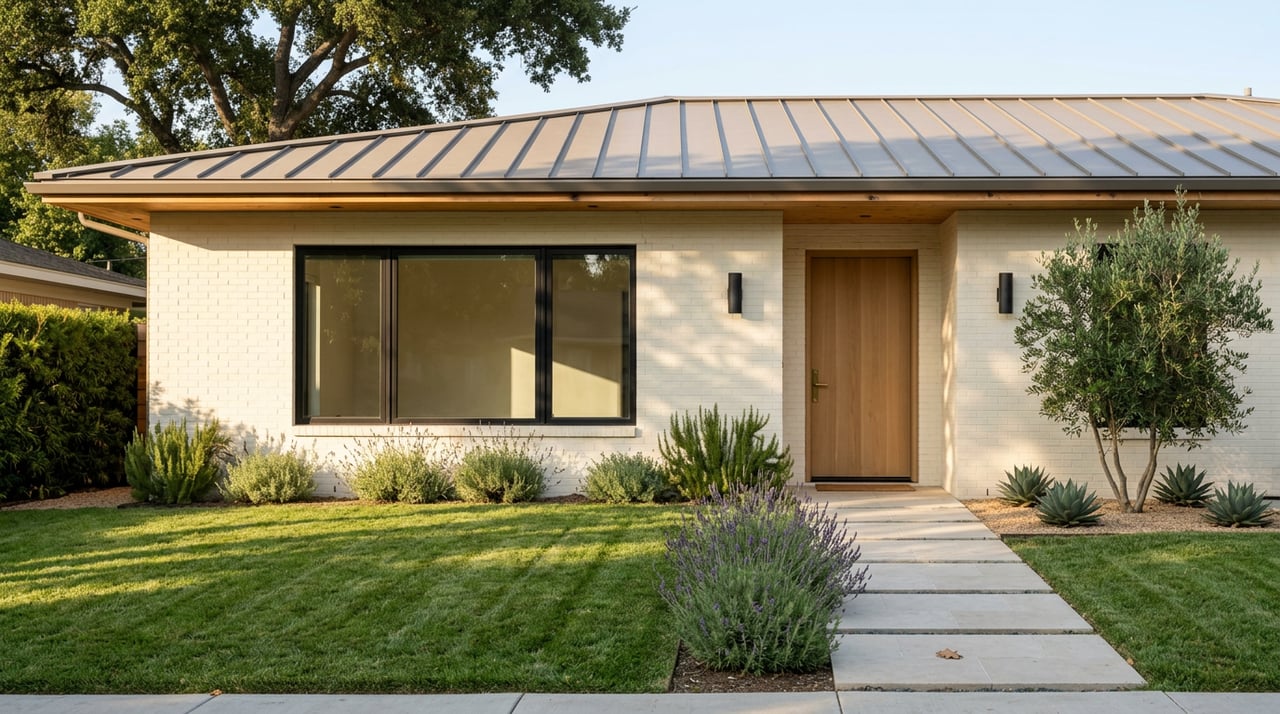
According to SurveyLA, many hillside parcels in this part of Los Angeles are difficult to fully read from the street. Privacy walls, fences, shrubbery, and view-oriented siting often hide the most dramatic parts of a home. In other words, what you see from the curb is often only the introduction.
The slope also changes how homes are designed. In hillside settings, architecture often responds less to street presence and more to light, canyon exposure, and rear-facing views.
Spanish Colonial Revival Roots
One of the most recognizable style families in and around Hollywood’s early hillside enclaves is Spanish Colonial Revival. City Planning notes that Whitley Heights helped popularize this style throughout Los Angeles, while Hollywoodland included early residences built under strict architectural guidelines, many of them Spanish Colonial Revival.
If you are trying to spot this style, look for a few classic details:
- Light stucco exteriors
- Low-pitched tile roofs
- Arches
- Courtyards
- Wrought iron elements
- Decorative plaster details
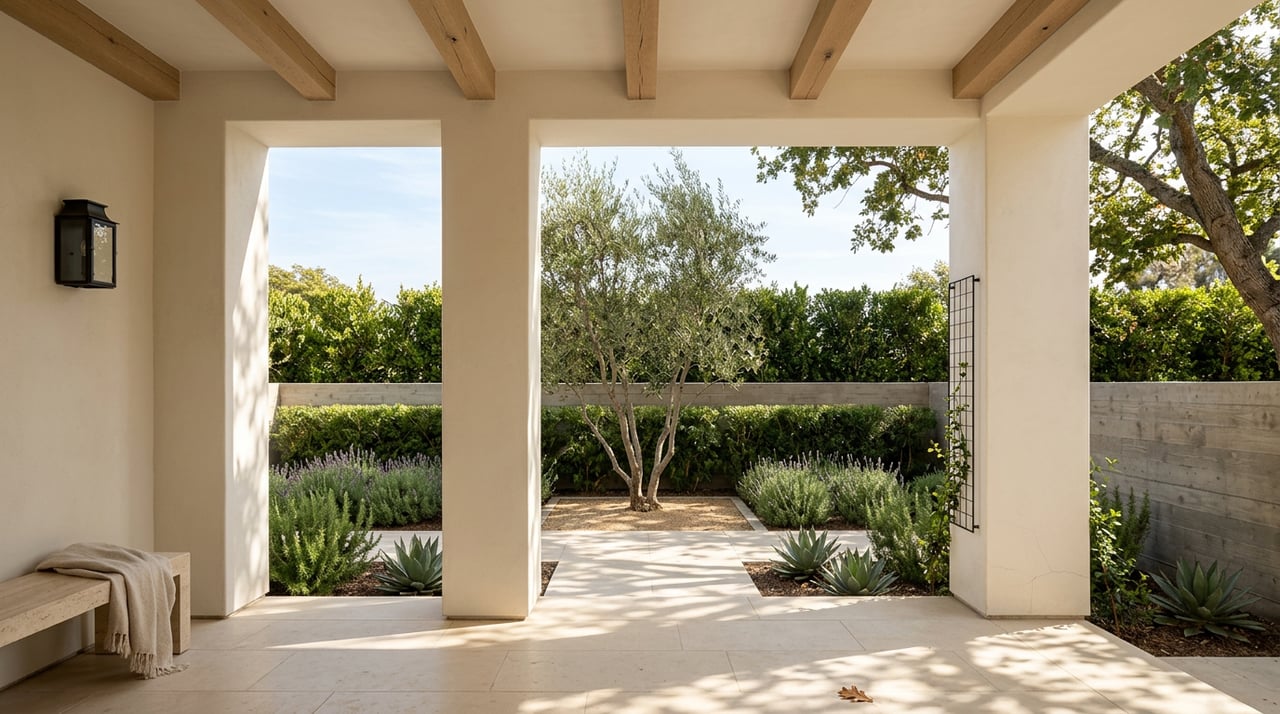
In Hollywood Hills East, these homes often feel especially suited to the terrain. Their massing, courtyards, and terraces can work naturally with stepped lots, while textured materials and shaded outdoor spaces complement Southern California light.
Mediterranean Revival Influence
Mediterranean Revival often overlaps visually with Spanish Colonial Revival, which is why many buyers group them together at first glance. In hillside neighborhoods, that blend can create the romantic, old-Hollywood atmosphere many people associate with this part of Los Angeles.
City Planning describes Whitley Heights as recreating a Mediterranean village atmosphere. That description helps explain why the style still feels so resonant here. On curving hillside streets, tile roofs, stucco walls, and arched openings can make the architecture feel rooted in both landscape and cinematic history.
For sellers, this matters because buyers are often responding not just to a floor plan, but to a complete mood. Authentic materials and preserved exterior details can reinforce that appeal.
Storybook Homes and Hollywood Imagination
Hollywood has long embraced a bit of fantasy, and Storybook architecture is one of the clearest examples. City Planning describes Storybook as a whimsical version of Tudor Revival that evokes fairy-tale or bygone European villages, and notes that the style was particularly popular in Hollywood.
Typical Storybook features include:
- Rolled eaves
- Tall, narrow windows
- Half-timbering
- A picturesque, hand-made appearance
In Hollywood Hills East, Storybook homes stand out because they bring personality and visual drama to the hillside. They can feel intimate from the street, then open up unexpectedly on the view side of the lot. That contrast is part of their charm.
For buyers, these homes often appeal to those who want character that feels immediately memorable. For sellers, the key is usually to present the home’s original style honestly and cohesively rather than trying to force it into a more generic aesthetic.
Mid-Century Modern on the Hillside
If revival styles connect Hollywood Hills East to its early development years, Mid-Century Modern reflects another major chapter. City Planning places Mid-Century Modern within Los Angeles Modernism from 1945 to 1970, and the citywide modernism context notes the importance of post-and-beam construction during the postwar period.
This is where the hillside becomes especially important. SurveyLA says mid-century modern homes are especially prevalent in more affluent hillside neighborhoods in the greater Hollywood area and are often placed on steep hillsides or other challenging sites.
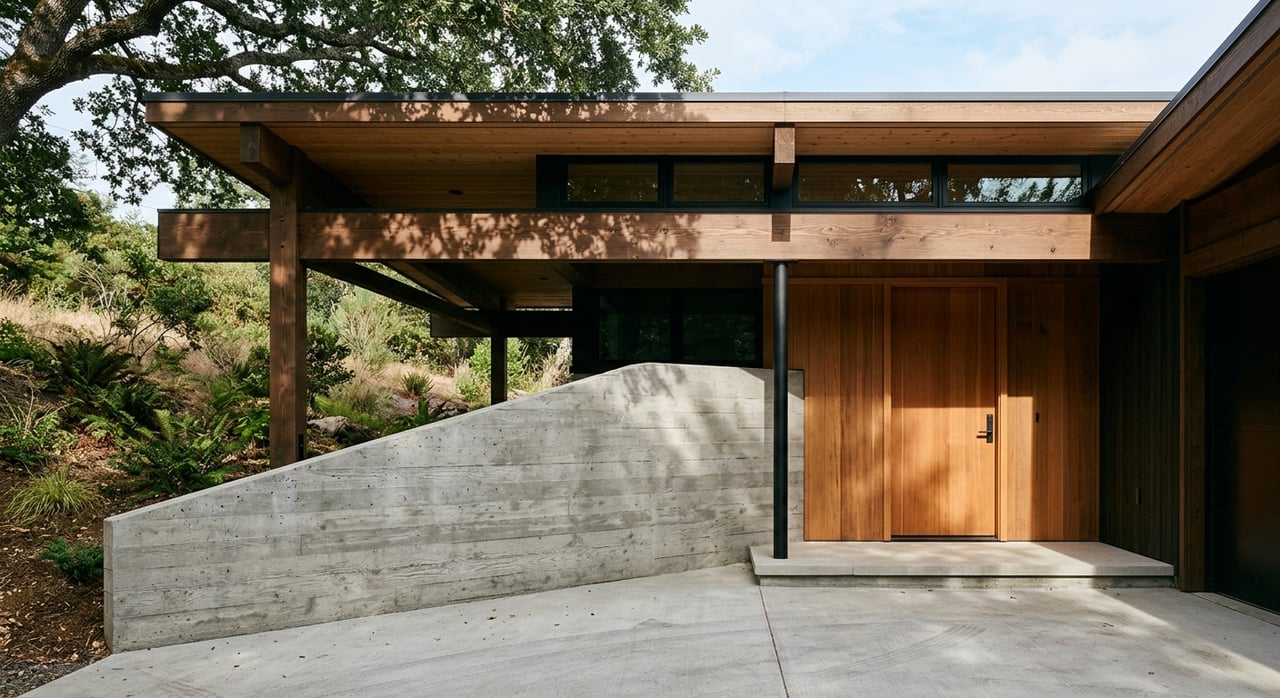
Common mid-century and post-and-beam hallmarks include:
- Exposed structural elements
- Floor-to-ceiling glass
- Open floor plans
- Patios and decks
- Flat or shallow-pitched roofs
These homes often feel perfectly matched to Hollywood Hills East because the style embraces terrain instead of fighting it. Views become part of the living experience, and structure becomes part of the visual language.
Post-and-Beam Logic in Hollywood Hills East
Post-and-beam is more than a design label. In hillside Los Angeles, it is also a practical response to difficult lots. The system allows homes to span and adapt in ways that suit steep sites, while still creating openness and visual lightness.
That is a big reason so many hillside modern homes feel airy and dramatic. Broad panes of glass, exposed framing, and decks extending toward the canyon all support the same goal: making the landscape part of daily life.
A useful local reference point is the Chemosphere, which the LA Conservancy describes as a John Lautner design for a steeply sloping Hollywood Hills lot. While not every home is that iconic, it illustrates the same core idea. In this part of Los Angeles, architecture often becomes most interesting when the site is hardest to solve.
Contemporary Glass-Forward Builds
Hollywood Hills East is also known for newer homes that feel sculptural, minimal, and highly view-oriented. Many of these can be understood through the city’s Late Modern framework, which includes approaches such as Sculptural Glass Skin, High Tech Structural Expressionism, and Late Modern Residential design.
In practical terms, that often means homes with dramatic silhouettes, broad expanses of glass, and design choices that make structure and engineering part of the aesthetic. These houses are often less about ornament and more about volume, light, and edge-of-the-hill presence.
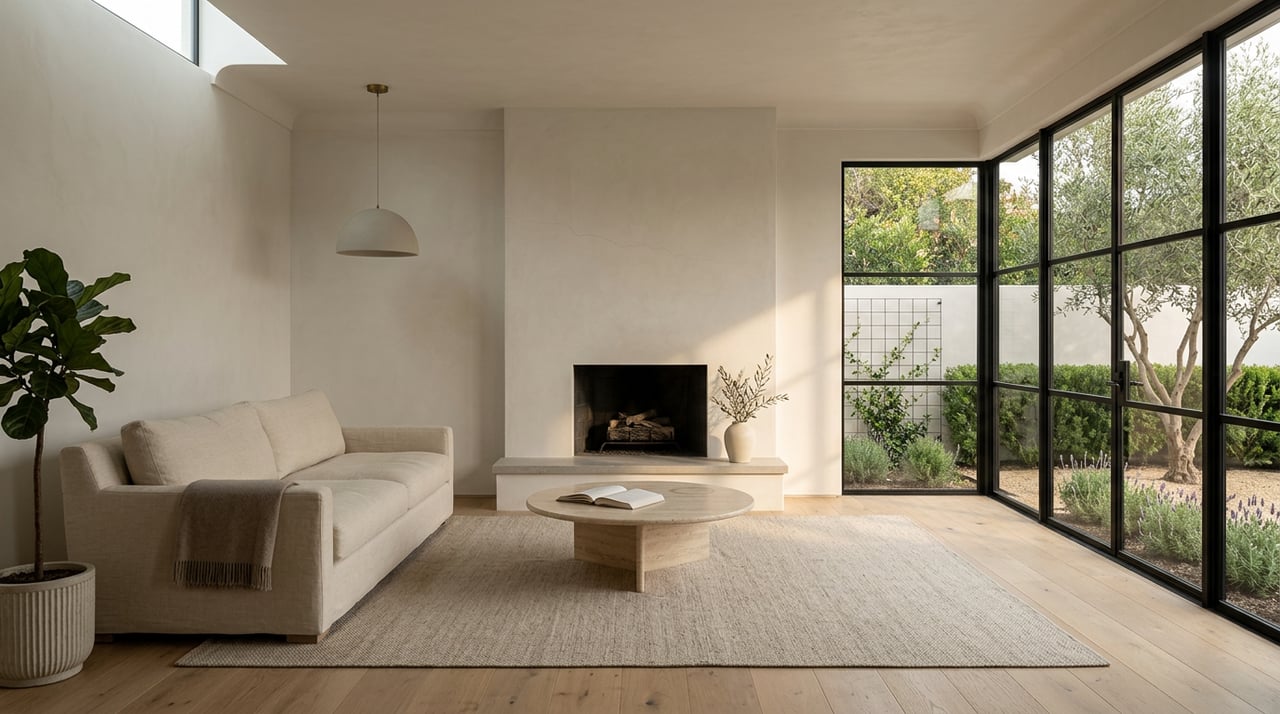
For many buyers, this style delivers a different kind of luxury than a historic revival home. Instead of decorative detailing, the draw is often privacy, indoor-outdoor flow, and architecture that frames the skyline or canyon as part of the experience.
How the Hillside Shapes the Floor Plan
One of the most important things to understand about Hollywood Hills East architecture is that the slope often dictates the layout. The city’s Hill Houses context explains that modernist hill houses commonly adjust their foundations to follow the slope, expose a dramatic downhill rear elevation, and sometimes invert the floor plan so living spaces sit above bedrooms to capture the view.
That logic helps explain several features you will see again and again in the area:
- Upper-level living and entertaining spaces
- Large decks and terraces
- Glazed walls facing the canyon or skyline
- Street-facing facades that appear more restrained than the rear elevation
This is why a home in Hollywood Hills East may look modest from the street but feel expansive once you move through it. SurveyLA notes that many hillside residences are oriented toward the view rather than the street, which is central to understanding the neighborhood’s architecture.
Why No Single Style Defines the Area
It is tempting to ask which one style defines Hollywood Hills East, but the better answer is that the area is defined by a conversation between era and terrain. Spanish Colonial and Mediterranean roots, Hollywood’s Storybook imagination, postwar modernism, and newer Late Modern builds all share the same hillside setting.
That shared setting creates more continuity than you might expect. Across very different eras, architects and builders have responded to many of the same conditions: steep lots, shifting elevations, privacy needs, sunlight, and the value of a view.
For buyers, this means style preference should be matched to how you want to live. For sellers, it means the strongest property story usually comes from identifying the home’s true architectural character and presenting it with clarity.
What Buyers Often Notice First
Different homes in Hollywood Hills East tend to resonate for different reasons. Some buyers are drawn to preserved period details and architectural pedigree. Others respond more strongly to light, privacy, open plans, and indoor-outdoor flow.
In broad terms, these are common points of appeal:
| Style family | What often stands out |
|---|---|
| Spanish Colonial Revival | Historic charm, texture, arches, tile roofs, courtyards |
| Mediterranean Revival | Romantic hillside atmosphere, warm materials, classic exterior character |
| Storybook | Whimsy, rarity, memorable curb appeal, hand-crafted feel |
| Mid-Century Modern | Glass, openness, exposed structure, clean lines |
| Contemporary Late Modern | Sculptural forms, dramatic views, sleek indoor-outdoor living |
The most effective way to evaluate a property is to look past labels and focus on authenticity. A home tends to make the strongest impression when its materials, layout, and presentation support its original design language.
Renovation and Preservation Context
In Hollywood Hills East, exterior changes may involve more than personal taste. City Planning lists tools and overlays relevant to the area, including the Hollywoodland Specific Plan, the Whitley Heights HPOZ, and the Hillside Construction Regulation. The city also explains that overlays are additional layers of control beyond base zoning.
That does not mean every project faces the same rules, but it does mean context matters. If you are buying with renovation plans or preparing a home for sale after updates, it is important to understand whether a property sits within an area shaped by preservation or hillside construction controls.
The Hillside Construction Regulation is also part of the broader planning backdrop for this area. City Planning states that it is intended to address large single-family developments, grading maximums, hauling, and construction activity in hillside areas.
Reading Architectural Value Clearly
For a design-minded buyer or seller, the biggest takeaway is simple: Hollywood Hills East is not about one signature style. It is about how architecture meets hillside living.
A Spanish Colonial Revival home may offer courtyards, arches, and old-Hollywood texture. A Storybook property may deliver rare personality and a picturesque silhouette. A post-and-beam or contemporary hillside house may offer dramatic glass walls, elevated entertaining spaces, and a stronger connection to the view.
When you understand that relationship between style and site, you can evaluate homes more clearly and market them more effectively. If you are buying or selling an architecturally distinct home in Los Angeles and want thoughtful, design-aware guidance, Ingrid Sacerio offers a boutique, high-touch approach shaped by research, presentation, and careful strategy.
FAQs
What architectural styles are common in Hollywood Hills East?
- Hollywood Hills East commonly features Spanish Colonial Revival, Mediterranean Revival, Storybook homes, Mid-Century Modern, post-and-beam designs, and newer Late Modern or contemporary hillside builds.
Why do Hollywood Hills East homes often look different from the street than from the back?
- Many homes in Hollywood Hills East are oriented toward views rather than the street, so the street-facing side can appear understated while the downhill rear elevation opens up with glass, decks, and larger living spaces.
What makes Mid-Century Modern homes in Hollywood Hills East distinctive?
- Mid-century homes in Hollywood Hills East often use post-and-beam construction, exposed structure, floor-to-ceiling glass, open plans, and decks or patios that respond directly to steep hillside lots.
Are historic-style homes important to the character of Hollywood Hills East?
- Yes. Spanish Colonial Revival, Mediterranean Revival, and Storybook homes all contribute to the area’s layered identity and connect it to Hollywood’s early hillside development.
What should buyers know about renovating a home in Hollywood Hills East?
- Buyers should know that some properties may be affected by local planning tools or overlays, including hillside construction regulations, specific plans, or preservation controls that can influence exterior changes.
How can sellers present an architectural home in Hollywood Hills East effectively?
- Sellers usually benefit from presenting the home in a way that matches its actual design character, whether that means emphasizing preserved historic details, authentic mid-century features, or the view-oriented layout of a newer contemporary build.