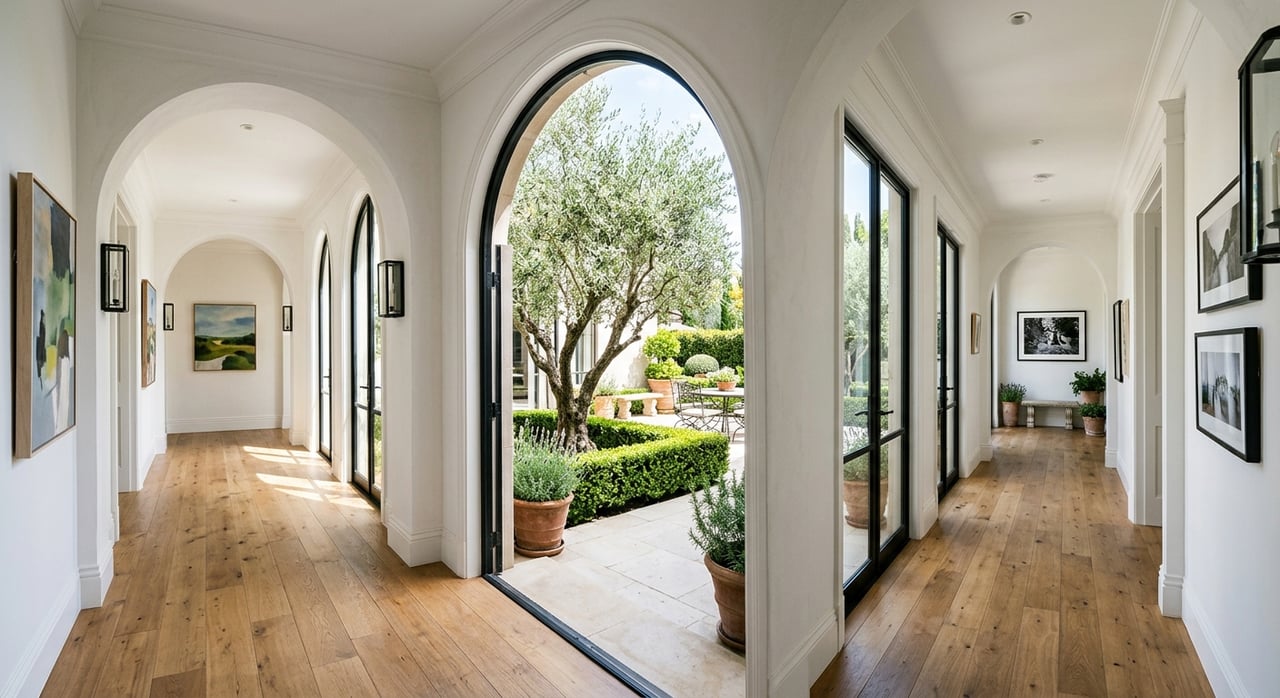
If you picture luxury as loud, Valley Village may surprise you. In this part of Los Angeles, the most compelling homes often feel calm, grounded, and quietly polished rather than flashy. If you are drawn to design that looks effortless and lives beautifully, this guide will help you understand which home styles fit the quiet-luxury look in Valley Village and why they feel so at home here. Let’s dive in.
Why quiet luxury fits Valley Village
Valley Village has a distinctly residential feel. Los Angeles City Planning identifies it as a mostly single-family area within the North Hollywood-Valley Village Community Plan Area, with commercial development concentrated mainly along Laurel Canyon Boulevard.
That low-rise pattern shapes the neighborhood experience. Instead of a dense urban feel, many streets read as more relaxed and house-focused, which makes understated design feel more natural than attention-grabbing architecture.
The local planning framework reinforces that tone. The Valley Village Specific Plan was created to preserve neighborhood scale and character, with rules focused on height, design, building massing, open space, and landscaping.
In simple terms, Valley Village tends to reward homes that feel harmonious with their surroundings. Quiet luxury works here because it aligns with the neighborhood’s established rhythm: lower profiles, softened edges, and a sense of privacy.
What quiet luxury means here
In Valley Village, quiet luxury is less about a single official style and more about a design attitude. It shows up in homes that feel refined without looking overworked.
You will often see that in restrained facades, mature landscaping, subtle lighting, and materials that age gracefully. The result is a home that feels elevated, but never performative.
This idea also fits the area’s physical setting. Local design-guide materials describe Valley Village as less urban and less dense than more metropolitan parts of Los Angeles, with many older trees still shaping a leafy canopy.
That backdrop matters. A home with calm lines, layered greenery, and thoughtful updates feels more authentic here than one that tries to dominate the street.
Home styles that support the look
Traditional Ranch homes
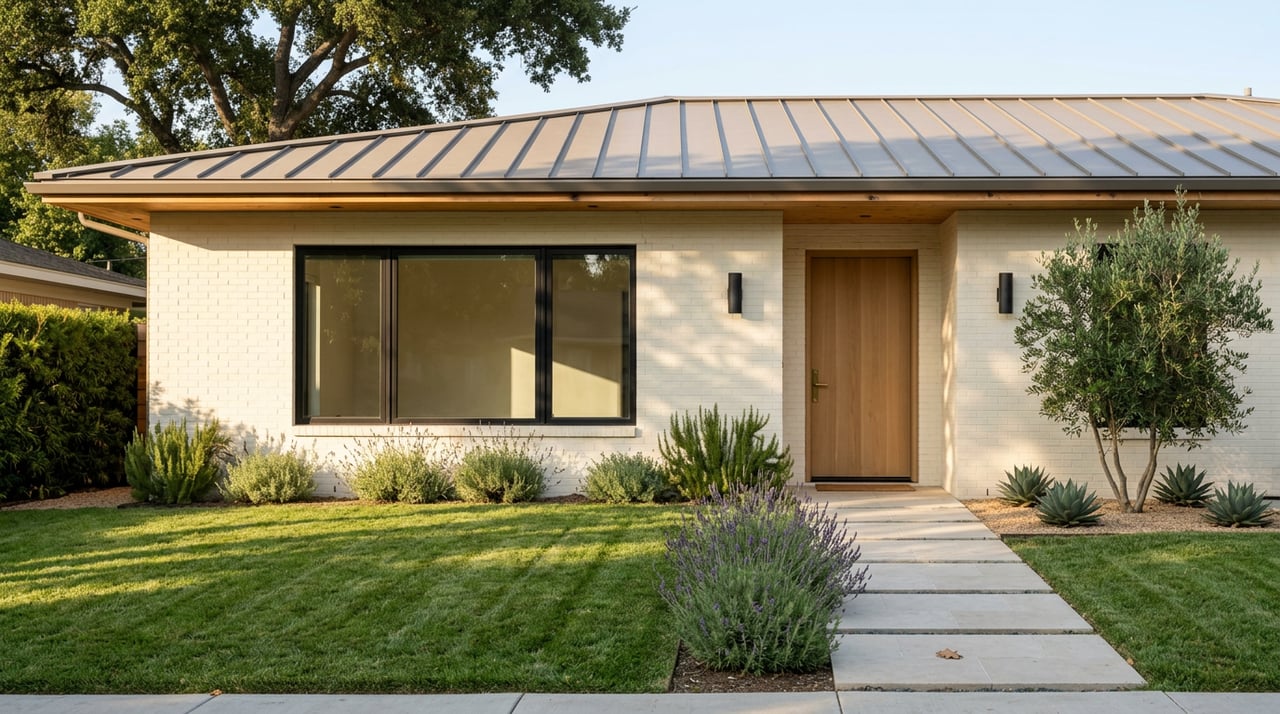
Traditional Ranch homes may be the strongest match for quiet luxury in Valley Village. Los Angeles historic context materials describe Ranch houses as having low-pitched roofs, wide eaves, picture windows, and an understated aesthetic.
Those features naturally support a softer, more relaxed kind of luxury. A Ranch home does not need dramatic ornament to feel special when the proportions are right, the light is good, and the indoor-outdoor flow is seamless.
Many buyers also appreciate the practical side of this style. One-story living, wide footprints, and flexible layouts can make these homes feel both elegant and easy to live in.
Contemporary Ranch updates
Some of the best quiet-luxury homes in Valley Village are updated Ranch properties. The City notes that Contemporary Ranch homes often blend Ranch massing with more modern geometry, which creates a clean, current look without losing the neighborhood’s low-slung character.
This is often where quiet luxury feels especially successful. You get simplicity, warmth, and architectural clarity, while still respecting the scale that makes the area feel residential.
When done well, these homes feel edited rather than overdesigned. They present beautifully, but they also feel comfortable and grounded.
Spanish Colonial Revival homes
Spanish Colonial Revival homes also fit the quiet-luxury story, especially when their original character is preserved. Valley Village design-guide materials identify this as one of the neighborhood’s important traditional styles.
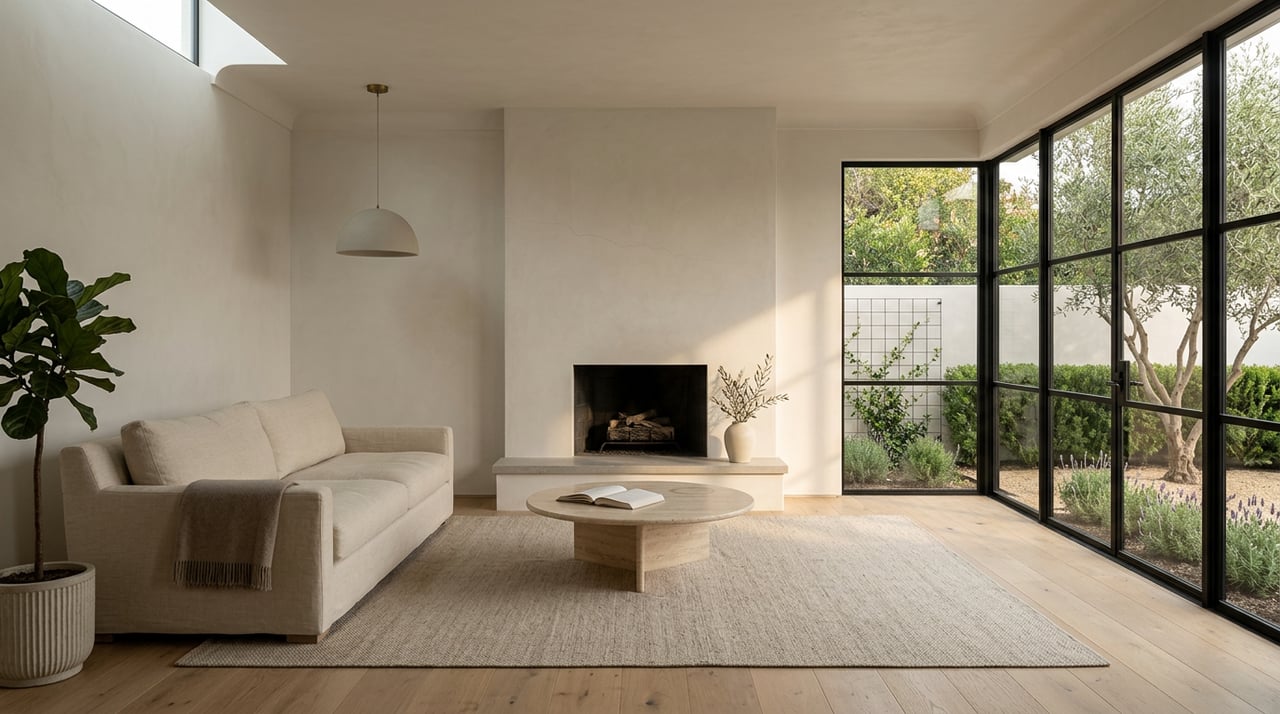
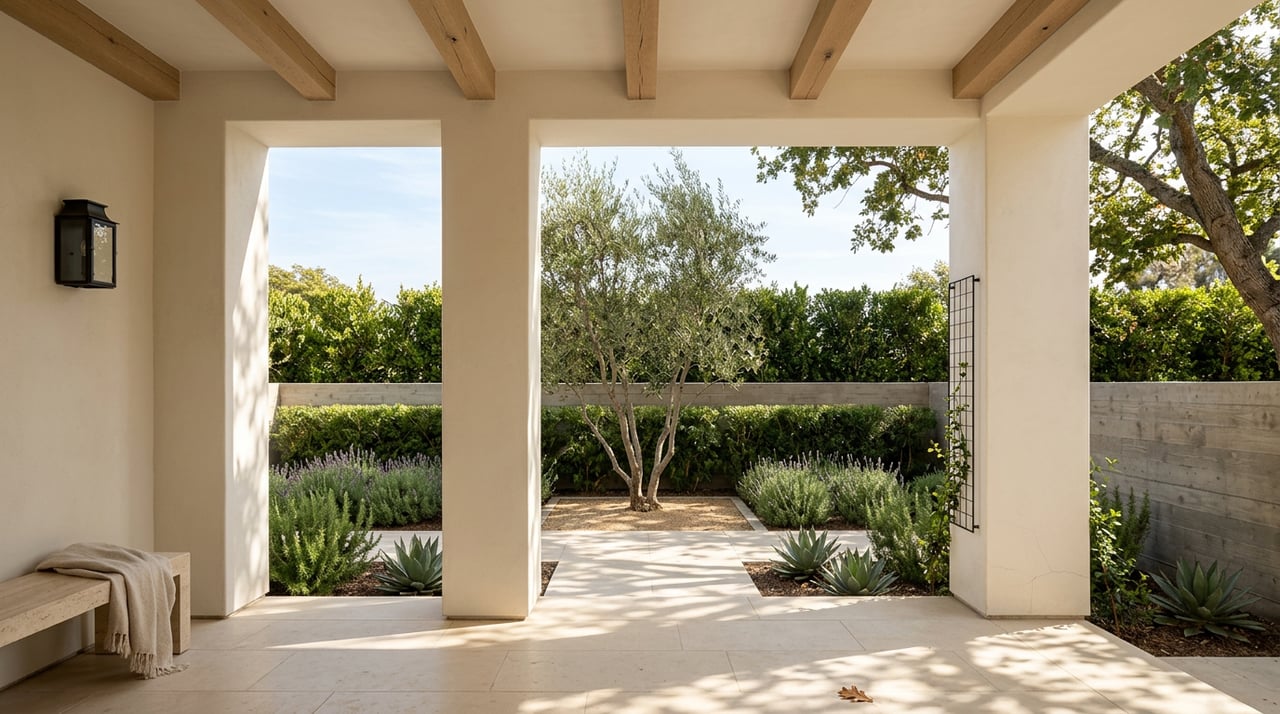
Arches, courtyards, stucco walls, and tiled details can all support a rich but restrained look. The key is balance. A thoughtful renovation lets these homes feel timeless instead of overly decorative.
In Valley Village, this style often works best when paired with a calm material palette and lush landscaping. That combination creates privacy and presence without unnecessary excess.
Minimal Traditional homes
Minimal Traditional homes are another strong fit. These homes are part of the neighborhood’s earlier architectural mix and often bring exactly what quiet luxury needs: simple forms, modest detailing, and a clean visual profile.
Because the base architecture is restrained, updates can have a big impact. Better windows and doors, more open living spaces, and carefully chosen finishes can transform these homes while keeping their original spirit intact.
For buyers who value subtle sophistication, that can be very appealing. The home feels intentional rather than trend-driven.
Craftsman and other classic styles
Craftsman homes and other traditional pre-war styles also belong in the conversation. Historic documentation for the area includes Craftsman alongside Spanish Colonial Revival, Traditional Ranch, and Minimal Traditional homes.
These properties can carry quiet luxury well when original proportions and craftsmanship remain front and center. Natural materials, built-in details, and layered outdoor spaces often do the heavy lifting.
The goal is not to erase character. It is to refine and support it.
Design cues that feel right in Valley Village
Low profiles and balanced massing
Quiet luxury in Valley Village usually starts with proportion. The Specific Plan caps one-family homes at 30 feet, which supports a low-rise look across much of the neighborhood.
That is one reason overly tall, boxy additions can feel out of place. Homes that stay visually grounded tend to align better with the area’s established scale and sense of harmony.
If you are evaluating a property, pay attention to how it sits on the lot. The most appealing homes often feel composed rather than oversized.
Mature landscaping and softened edges
Landscaping is a major part of the look. The Specific Plan includes requirements tied to landscaping and drought-resistant plantings, and local design materials emphasize Valley Village’s canopy of older trees.
That makes greenery more than a finishing touch. Hedges, layered plantings, shaded yards, and established trees help define the neighborhood’s quiet-luxury mood.
A polished home here often feels partially framed by landscape. Instead of exposing everything at once, it creates privacy and a softer relationship to the street.
Subtle exterior lighting
Exterior lighting matters more than many people expect. The Specific Plan calls for shielded, low-illumination lighting, reinforcing a more restrained nighttime look.
That supports one of the clearest quiet-luxury principles: visibility without glare. Soft lighting can highlight pathways, landscaping, and architectural lines while preserving a calm feel.
Harsh or overly bright fixtures can break that effect quickly. In Valley Village, the more refined move is usually the quieter one.
Timeless materials
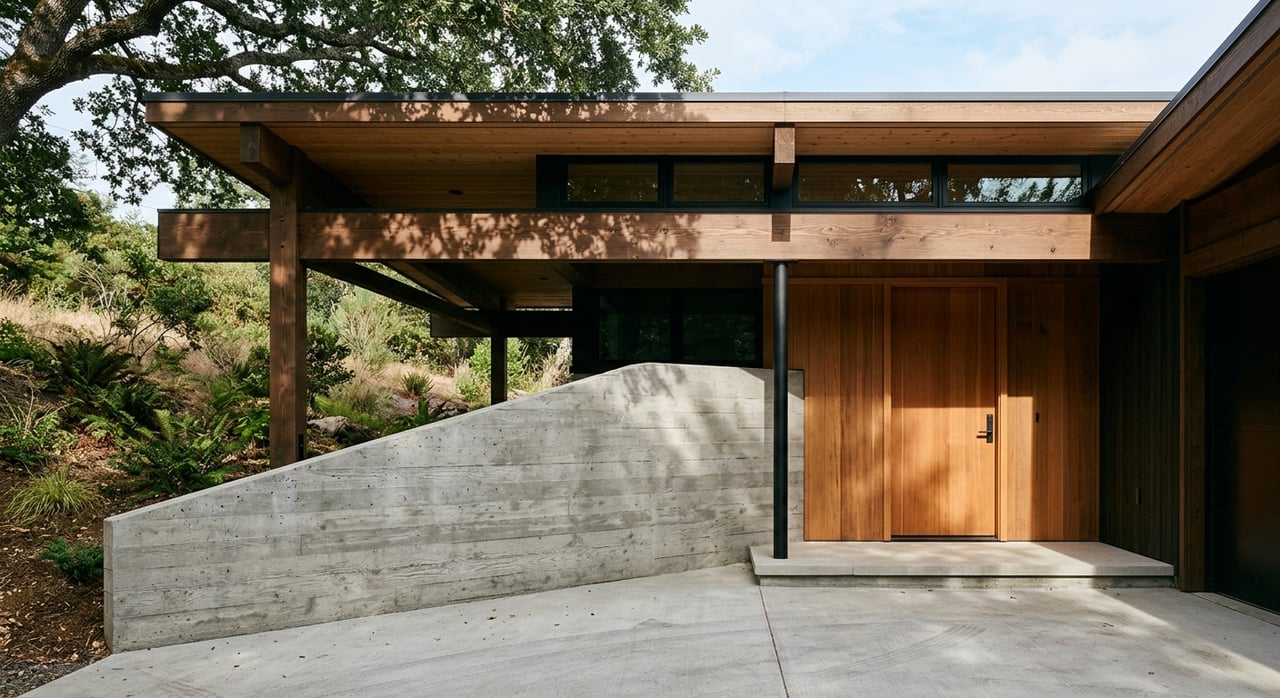
The neighborhood’s architecture suggests a preference for materials that feel grounded and lasting. Stucco, wood, masonry, and other natural-looking finishes tend to make more sense here than highly reflective or overly ornate exteriors.
This does not mean a home must look old-fashioned. It means the finish palette should support the architecture rather than compete with it.
That is often the difference between a home that feels expensive and one that feels enduring.
Why indoor-outdoor living matters
Quiet luxury in Valley Village is not just about curb appeal. It also shows up in how a home lives day to day.
Ranch-house context materials identify open plans as a defining feature, and Southern California examples often emphasize sliding glass doors, patios, built-ins, and flexible layouts. Those elements support a more relaxed, seamless experience of home.
The local climate makes that especially relevant. NOAA normals from the nearby Burbank Valley Pump Plant station show hot, dry summers, average highs of 85.8°F in July and 88.3°F in August, annual precipitation of 16.50 inches, and no average annual snowfall.
That kind of weather supports outdoor rooms that feel like real extensions of the house. Shaded dining areas, patios, pools, and garden seating can all become central to the lifestyle.
Renovation choices that feel on-brand
If you are buying or updating a home in Valley Village, certain improvements tend to fit the neighborhood especially well.
Smart updates to prioritize
- Expanded kitchens that improve daily function without overpowering the home’s original style
- Better indoor-outdoor flow through patios, doors, and reworked living spaces
- Discreet window and door upgrades that improve light and comfort
- Mature or layered landscaping that adds privacy and texture
- Low-key exterior lighting that complements the architecture
These choices work because they improve livability while respecting the home’s scale and the neighborhood context. They also tend to create the kind of polished, lasting impression that design-minded buyers appreciate.
Choices to approach carefully
Some design moves can feel less aligned with Valley Village’s character.
- Overly tall additions that disrupt the home’s original proportions
- Boxy massing that conflicts with a lower, more residential streetscape
- Harsh lighting that feels glaring instead of welcoming
- Highly ornate or overly reflective facades that pull attention too aggressively
The issue is not that a home must look identical to its neighbors. It is that the most successful homes in Valley Village usually feel confident without being loud.
What buyers and sellers should take away
For buyers, the quiet-luxury lens can help you spot long-term value. Homes that match Valley Village’s architectural history and planning logic often feel more cohesive, more livable, and more naturally appealing.
For sellers, this style offers a useful presentation strategy. In a neighborhood shaped by scale, landscaping, and restrained architecture, thoughtful staging and design-forward marketing can help buyers see why subtle homes often leave the strongest impression.
In Valley Village, luxury does not need to announce itself. Often, it is the home with the best flow, the calmest palette, the most mature landscaping, and the strongest sense of place that stands out most.
If you are thinking about buying or selling a design-driven home in Valley Village, Ingrid Sacerio offers boutique, white-glove guidance backed by research, presentation expertise, and deep knowledge of Los Angeles single-family homes.
FAQs
What home styles best match quiet luxury in Valley Village?
- Traditional Ranch, Contemporary Ranch updates, Spanish Colonial Revival, Minimal Traditional, Craftsman, and carefully updated classic homes are among the strongest fits.
What design features define quiet luxury in Valley Village homes?
- Low profiles, balanced massing, mature landscaping, subtle exterior lighting, timeless materials, and strong indoor-outdoor flow are key features.
What renovation choices make sense for Valley Village homes?
- Expanded kitchens, improved indoor-outdoor connections, discreet window and door upgrades, layered landscaping, and low-key exterior lighting tend to align well with the neighborhood’s character.
What should homeowners avoid in Valley Village renovations?
- Overly tall or boxy additions, harsh lighting, and highly ornate or reflective facades can feel less compatible with the area’s low-rise, harmony-focused character.
Why does Valley Village feel calmer than some other Valley areas?
- Los Angeles planning materials describe Valley Village as a mostly single-family area, and local rules emphasize scale, landscaping, and compatibility with surrounding homes.