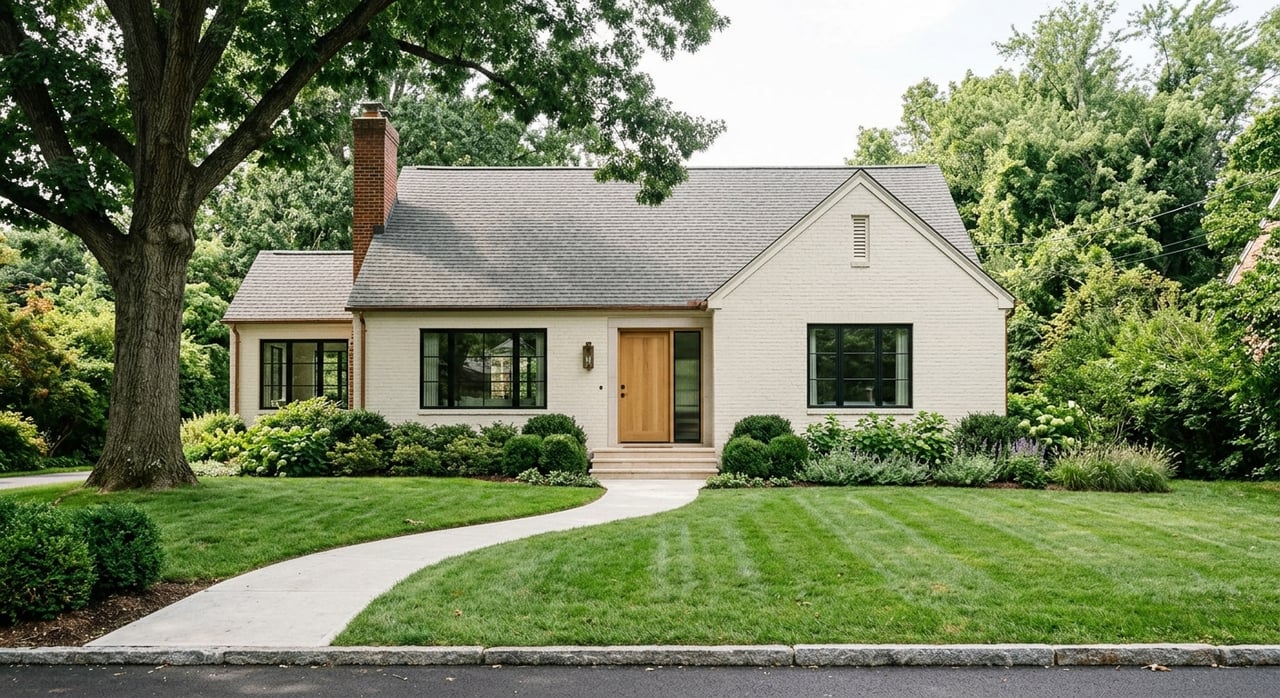
If you are home shopping in Valley Village, one question tends to come up fast: do you want the clean lines and current systems of a new build, or the charm and lot feel of a classic home? It is a meaningful choice, especially in a neighborhood where older single-story homes and newer replacement projects often exist side by side. This guide will help you compare layout, character, efficiency, maintenance, and permit history so you can decide which path fits your lifestyle best. Let’s dive in.
Why this choice matters in Valley Village
Valley Village is mostly developed with single-family homes, with commercial development concentrated along Laurel Canyon Boulevard. It sits within the North Hollywood–Valley Village Community Plan Area, and local planning rules play a real role in how homes look and feel.
The Valley Village Specific Plan has been in effect since 1993. Its purpose is to keep new residential and commercial development compatible with adjacent single-family neighborhoods by regulating height, massing, open space, landscaping, parking, and related standards.
That matters because in Valley Village, “new construction” does not mean anything goes. Even newer homes are shaped by neighborhood-scale rules, which helps explain why the decision here is often less about old versus new and more about character, function, and documentation.
What defines a classic Valley Village home
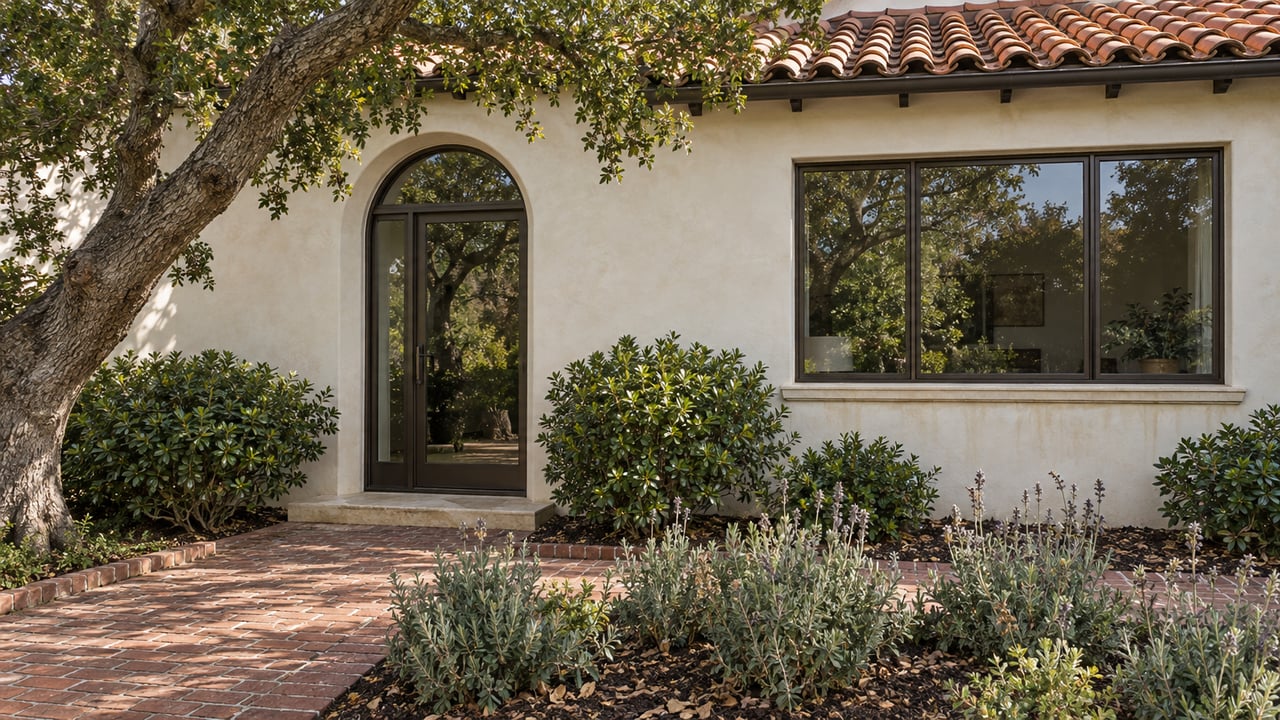
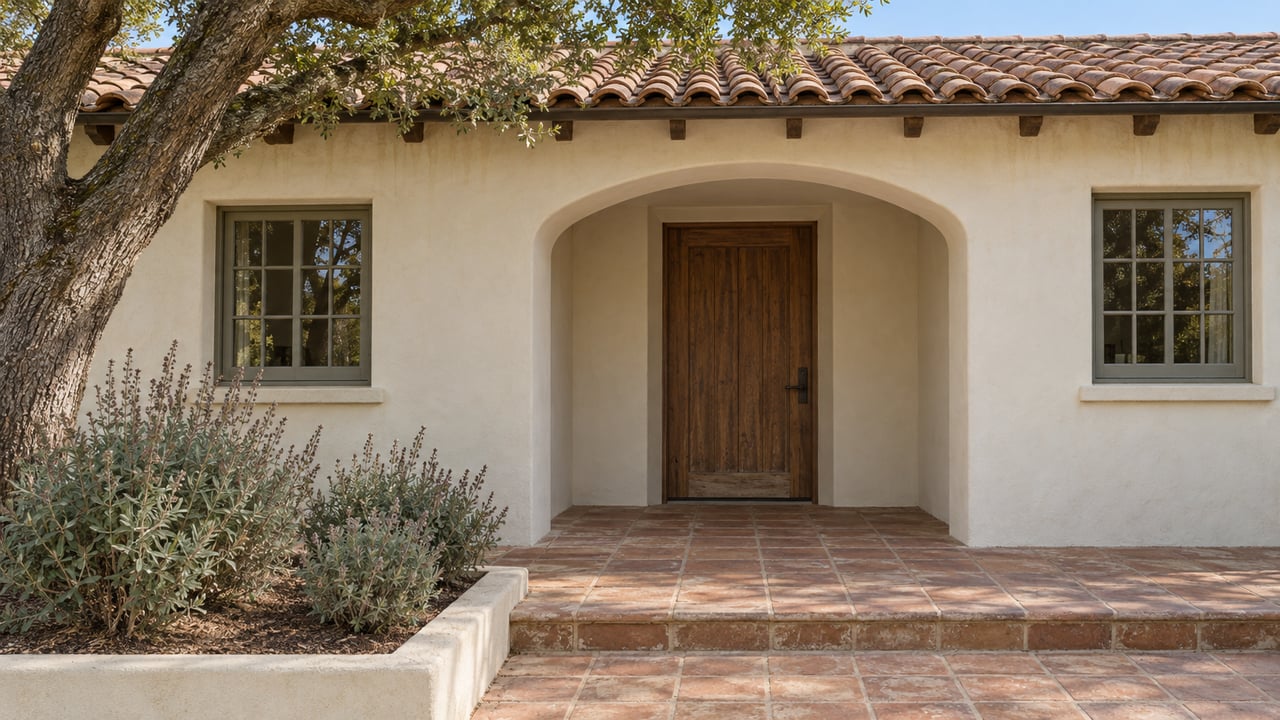
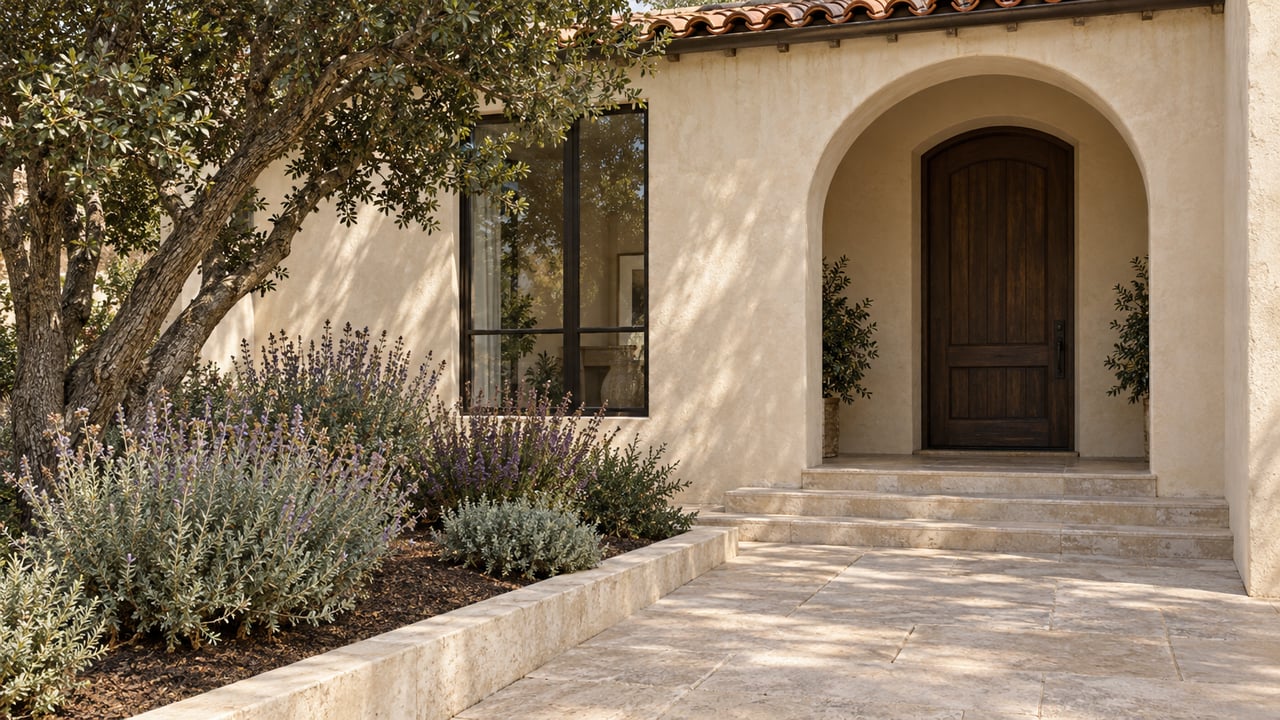
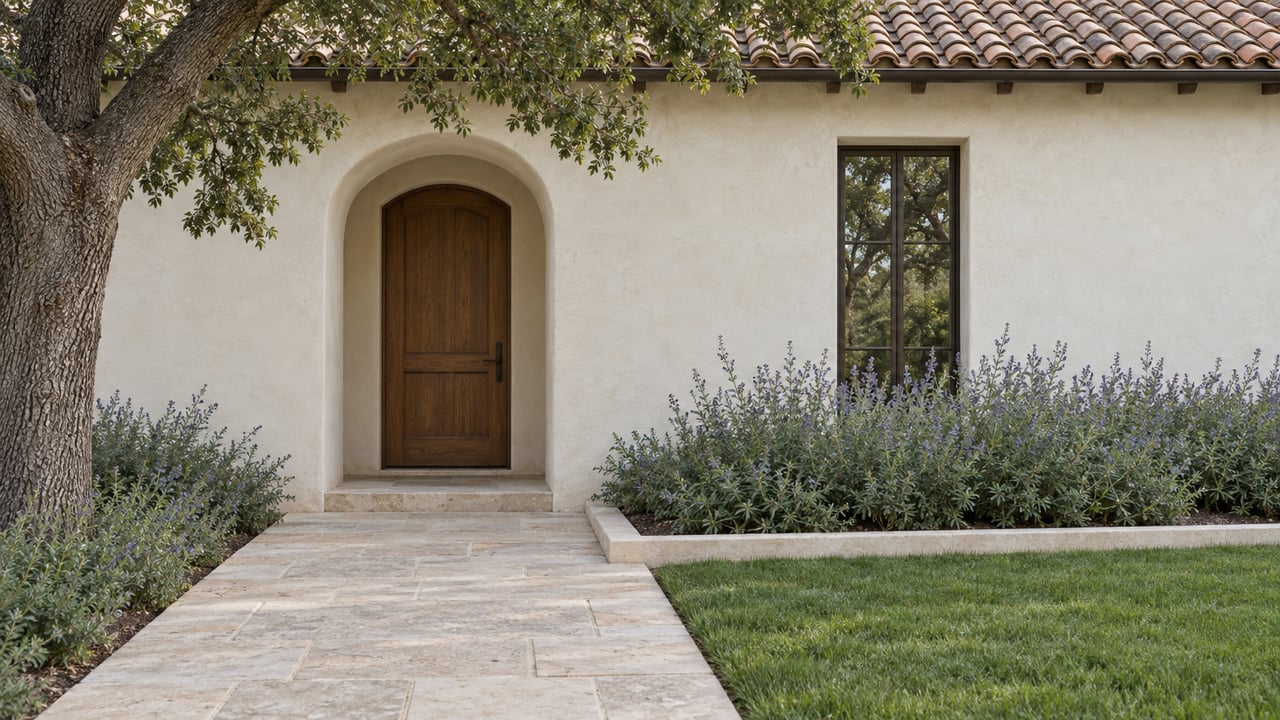
Classic Valley Village homes are closely tied to older single-family housing, especially single-story Spanish- and ranch-style homes on larger lots. A longtime neighborhood profile described the area as largely made up of about 1,700-square-foot, single-story homes with Spanish and ranch influences.
Ranch-era homes, in particular, are known for one-story massing, horizontal lines, flowing interior spaces, and a strong connection to the yard. In practical terms, that can translate to a home that feels grounded, relaxed, and closely tied to its outdoor space.
For many buyers, the appeal of a classic home starts with the setting. You may notice mature landscaping, a broader lot feel, and proportions that reflect the area’s earlier residential character.
What new construction offers
New construction in Valley Village usually appeals to buyers who want a more current interior plan and newer systems from day one. That can mean a layout that feels more open, more uniform in finish, and better aligned with how many people live today.
At the same time, local rules still shape the final product. The Specific Plan requires new projects near single-family neighborhoods to be harmonious and sets standards for building height, design, massing, open space, and landscaping.
For one-family buildings, height is limited to 30 feet. So while a new home may feel modern inside, it is still expected to fit within the neighborhood’s broader scale.
Layout and livability differences
One of the biggest differences between new construction and classic homes is how the interior works. A newer home often starts with a more updated flow, while an older home may reflect the room sizes and circulation choices of an earlier era.
Classic homes can have more segmented original rooms and more period texture. That may be a plus if you love architectural detail and a layout that feels distinct rather than fully open.
New construction tends to deliver a cleaner, more contemporary plan. If your priority is move-in-ready function, that can be a major advantage.
A remodeled classic often lands in the middle. It may preserve the exterior scale and older lot feel while adding newer kitchen, bath, or circulation updates inside.
Character and lot feel
In Valley Village, classic homes usually stand out for character. Older Spanish- and ranch-style houses often feel tied to the neighborhood’s established residential identity, especially when they retain original scale and a visible relationship to the yard.
New construction typically leans more toward reinvention. You may see a cleaner finish, a more unified interior palette, and a stronger emphasis on current design preferences.
Neither is automatically better. The better choice depends on whether you value period texture and mature setting or modern function and consistency more.
Energy efficiency and comfort
Newer homes start closer to today’s energy and comfort standards. California’s Energy Code applies statewide to newly constructed buildings, additions, and alterations, and for permits applied for on or after January 1, 2026, the 2025 Energy Code is in force.
California Energy Commission materials say the 2025 code expands heat pumps in newly constructed residential buildings, encourages electric-readiness, and strengthens ventilation standards. For buyers, that often means a newer baseline for comfort and efficiency.
Older homes can still perform well, but results depend on what has been updated. If a classic home has had permitted HVAC, duct, insulation, window, or envelope work, it may be much more efficient than its age suggests.
If it has not been updated, you may be taking on older systems and more near-term maintenance. That is why two homes of the same era can feel very different in daily use.
Why permit history matters so much
When you compare a new build with a remodeled classic, age alone does not tell the full story. Permit history often tells you more about what was actually done and whether major work was documented.
The Los Angeles Department of Building and Safety says projects that require plan check go through review before permit issuance and then pass staged inspections during construction. Its records system can show what has been built with a permit.
For buyers, the key question is simple: were the visible upgrades properly permitted? A beautifully updated home may look turnkey, but the real value is clearer when the work is documented.
Smart due diligence questions to ask
If you are comparing homes in Valley Village, these are some of the most useful questions to ask before you move forward:
- What parts of the home are original?
- What parts were rebuilt, replaced, or added later?
- Were additions, roofing, electrical, plumbing, or HVAC work permitted?
- Did the remodel include insulation, windows, or envelope upgrades?
- Are records available for major system replacements?
- Does the home still reflect its original scale, or was it substantially reconfigured?
These answers can help you understand not just style, but also likely upkeep, comfort, and future planning.
Maintenance and ownership expectations
A new build often offers more predictability in the near term. Because systems, finishes, and major components are newer, buyers may face fewer immediate repair priorities after closing.
A classic home can be deeply rewarding, but ownership may involve a different mindset. If older systems or materials remain, you may want to budget for ongoing improvements over time.
That does not make a classic home less appealing. It simply means your purchase decision should match your appetite for projects, maintenance, and phased upgrades.
Timeline and move-in reality
A move-in-ready classic can sometimes offer a faster path if no immediate work is planned. By contrast, a full new build or teardown-rebuild usually involves a longer process because design, plan check, permitting, and inspections all happen before completion.
That timing difference is tied to the City’s permitting workflow. In real life, it means your decision may also depend on how quickly you want to settle in and how much uncertainty you are comfortable managing.
If your schedule is tight, a finished and well-documented home may carry extra appeal, whether it is new or classic.
Which type of home fits you best?
New construction often fits buyers who want current systems, a more predictable finish, and lower near-term maintenance. If you prefer a home that feels polished and aligned with today’s comfort standards, this option may be the better fit.
Classic homes often fit buyers who value original neighborhood character, mature landscaping, and the option to renovate over time. If you love the idea of preserving scale and enjoying an established setting, a classic may feel more compelling.
A remodeled classic can be the middle path. It may offer the charm of an older Valley Village home with enough permitted upgrades to make everyday living easier and more efficient.
In the end, Valley Village is not simply a choice between old and new. It is a choice between original character and contemporary function, preserved scale and updated systems, and how much work you want to take on after closing.
If you are weighing homes in Valley Village and want a thoughtful, property-specific perspective, Ingrid Sacerio offers research-driven, design-aware guidance to help you compare what really matters.
FAQs
What is the main difference between new construction and classic homes in Valley Village?
- New construction usually offers a more current layout and newer systems, while classic homes often stand out for single-story character, larger lot feel, and mature landscaping.
How do Valley Village planning rules affect new construction homes?
- The Valley Village Specific Plan regulates height, massing, open space, landscaping, parking, and related design standards so new development remains compatible with nearby single-family neighborhoods.
Why is permit history important when buying a remodeled Valley Village home?
- Permit history helps you verify whether visible improvements were reviewed, permitted, and inspected, which can clarify the scope and quality of updates.
Can an older Valley Village home still be energy efficient?
- Yes, an older home can perform much better if it has had permitted updates such as HVAC, ductwork, insulation, windows, or other envelope improvements.
What should buyers ask about a Valley Village home before making an offer?
- Buyers should ask what is original, what was added or replaced, whether major work was permitted, and whether records are available for key system upgrades.
Is a remodeled classic home a good middle-ground option in Valley Village?
- Yes, a remodeled classic can offer older-home charm and established lot feel while also providing more modern interior updates, especially when the work is properly documented.