Choosing between a single-family home and a townhome in Valley Village is not just about square footage. It is about how you want to live, what level of upkeep feels manageable, and how far you want your budget to stretch in one of the San Fernando Valley’s most established residential pockets. If you are weighing privacy, control, monthly costs, and long-term fit, this guide will help you compare both options with Valley Village in mind. Let’s dive in.
Why this choice matters in Valley Village
Valley Village has a planning backdrop that helps explain why this decision feels especially important here. Los Angeles City Planning places the area within the North Hollywood-Valley Village Community Plan, which encourages preservation of low-density single-family residential areas and protection from encroachment by other uses.
That does not mean attached housing is absent. It means detached homes remain a major part of the neighborhood identity, while condos and townhome-style residences play a more selective role. For buyers, that creates a market where lifestyle goals and budget often point in different directions.
Price differences to know
One of the clearest reasons buyers compare these two options is price. In March 2026, the median sale price across all home types in Valley Village was $1,305,500, while condo listings were around $599,000.
Recent activity also shows how wide the spread can be. Redfin reported an attached unit closing at $690,000 and a detached home closing at $1.76 million. These are not perfect side-by-side comparisons, but they do show that attached homes can offer a lower entry point into the neighborhood.
Single-family living in Valley Village
Why buyers choose detached homes
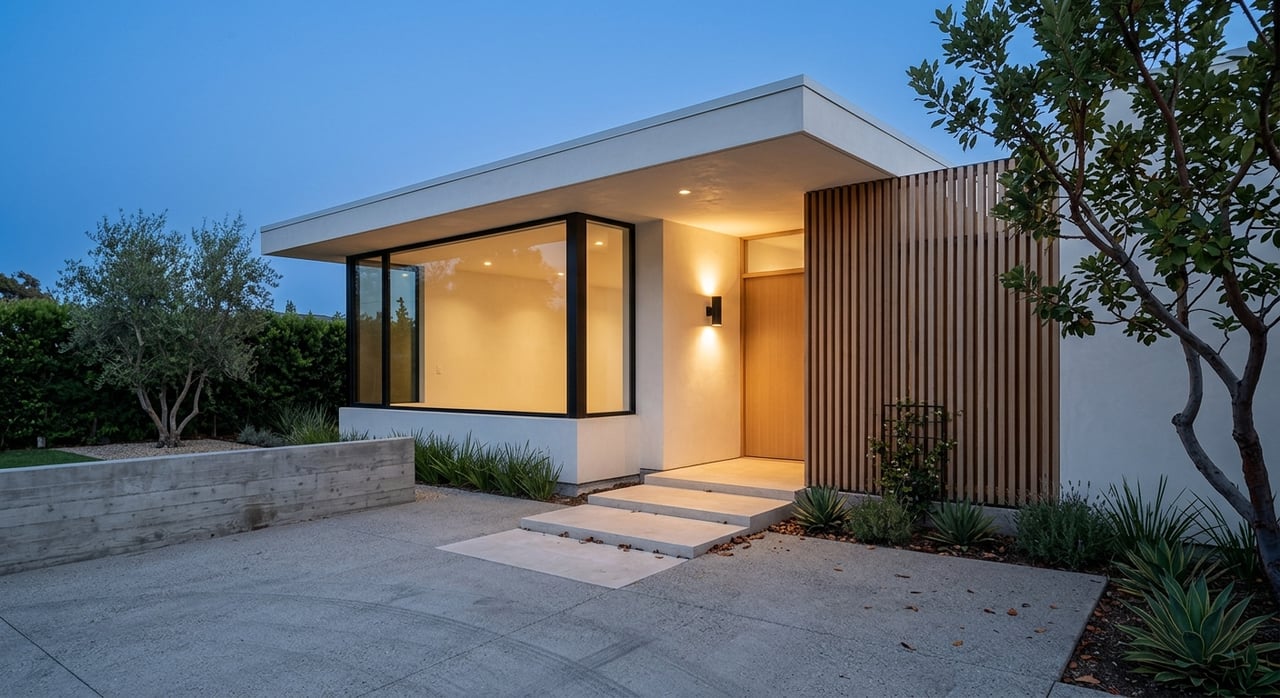
If you value privacy, outdoor space, and more direct control over your property, a single-family home often feels like the stronger fit. You are typically dealing with your own structure, your own yard, and fewer day-to-day decisions shaped by shared walls or community rules.
In Valley Village, that preference also aligns with the area’s low-density planning framework. For many buyers, the appeal is simple: more separation, more autonomy, and more room to personalize how the property functions over time.
What ownership can feel like
Detached living often gives you more freedom to make changes to the home or yard without the same kind of approval process common in HOA-governed attached communities. That can matter if you are thinking ahead about landscaping, outdoor living improvements, or a long-term design vision.
Still, it is important not to assume every detached home is free of community oversight. In California, a single-family home can still sit within a planned development that has an HOA if there are shared amenities, common areas, or private streets.
Trade-offs to expect
More control usually comes with more responsibility. As the owner, you generally carry more of the maintenance burden and repair risk.
Insurance also deserves a closer look. California insurance guidance notes that rebuild cost may differ from policy limits, so the real carrying cost of a detached home can be higher than the purchase price alone suggests.
Townhome and condo living in Valley Village
Why attached homes appeal
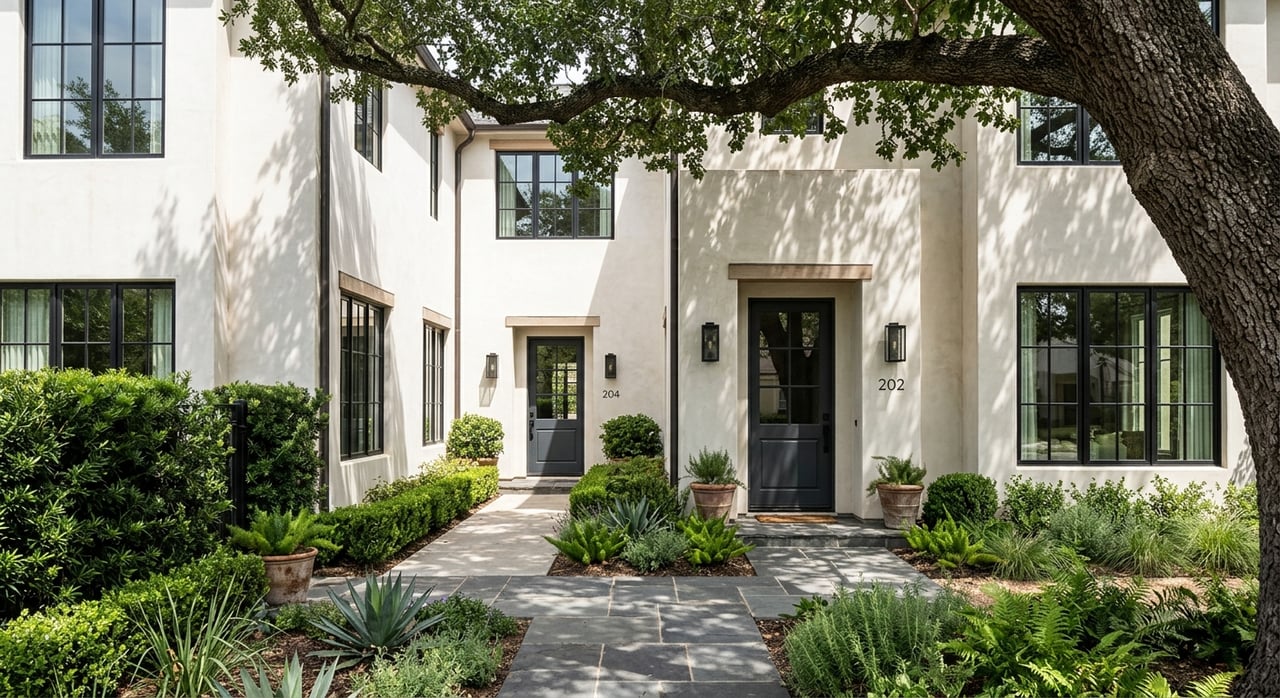
Attached homes often make sense for buyers who want a more accessible path into Valley Village. Current market pages show an active attached segment, including 17 condos for sale at a median listing price of $599,000, along with recent activity that included 24 condos and 9 townhouses.
For many buyers, the draw is not just the lower upfront price. It is also the possibility of less exterior maintenance and a simpler day-to-day ownership experience.
Townhome is not always a legal category
This is one of the most important details to understand before you buy. In California, a townhome is an architectural style, not a legal ownership category.
That means an attached property labeled as a townhome may actually be legally structured as a condominium or a planned development. The recorded subdivision documents, not the listing label alone, determine ownership boundaries and maintenance responsibilities.
What that means for upkeep and insurance
In an attached community, maintenance duties can vary from one project to another. One property may place more responsibility on the HOA, while another may leave more obligations with the owner.
Insurance works differently too. According to the California Department of Insurance, condo unit-owner policies typically cover personal property, loss of use, liability, and interior or improvement damage, while the association generally insures the structure and common areas. Loss-assessment coverage can also matter if the HOA levies assessments after a loss.
Trade-offs to keep in mind
Attached living can be efficient, but it usually comes with shared walls, HOA dues, and community rules. In some communities, there may also be special assessments or rental restrictions.
California’s Attorney General notes that HOAs enforce CC&Rs, bylaws, and board rules, and those documents can vary widely from one community to another. In practical terms, two townhome-style properties in Valley Village may look similar online but function very differently once you review the documents.
Compare more than purchase price
Look at total monthly cost
A lower list price does not always mean a lower monthly cost. HOA dues, insurance differences, and the possibility of special assessments can narrow the gap between an attached home and a detached one.
That is why one of the smartest ways to compare options is to line up the full monthly picture. Focus on mortgage payment, HOA dues if any, insurance, and your likely maintenance exposure.
Think about privacy and control
If your long-term lifestyle depends on more space, fewer shared boundaries, and more freedom to shape the property, a detached home may justify the higher cost. If your priority is simpler upkeep and a lower entry price, an attached home may feel more practical.
Neither option is universally better. The right fit depends on what you want your daily ownership experience to feel like.
Review the documents carefully
For any HOA property, California law requires the seller to provide key materials that help you understand the community before closing. These include governing documents, current fee information, unresolved violation notices, approved assessment changes, rental restrictions, board minutes on request, and the most recent inspection report.
The association must also provide requested documents within 10 days after a written request and may charge a reasonable fee based on actual cost. This is where the real story of an attached property often becomes clear.
Which option fits your stage of life?
For first-time buyers
If you are trying to enter Valley Village at a lower price point, an attached home may open the door sooner. That can be especially useful if your top goal is getting into the neighborhood while keeping your upfront cost more manageable.
At the same time, it is worth pressure-testing the numbers. HOA dues and potential assessments can change the affordability picture more than buyers expect.
For downsizers
If you want less exterior upkeep and a more streamlined ownership experience, an attached home may offer the simplicity you are after. Many buyers at this stage care less about land and more about convenience.
A detached home can still make sense if privacy and independence remain top priorities. The better choice depends on whether you want to reduce chores, preserve control, or balance both.
For buyers thinking long term
Buyers who value land, privacy, and autonomy often lean toward detached homes. Buyers who value simplicity and lower upfront cost often lean toward condos or townhomes.
In Valley Village, the city’s single-family preservation framework suggests detached homes may carry a stronger lifestyle premium. That is a helpful lens, but it is not a guarantee of future resale performance.
A simple Valley Village decision guide
If you are deciding between a single-family home and a townhome-style property, these questions can help clarify the better fit:
- Do you want more privacy and fewer shared walls?
- Are you comfortable handling more maintenance directly?
- Is a lower entry price more important than having more control over the property?
- Would HOA dues feel like a fair trade for reduced exterior upkeep?
- Are you willing to review rules, restrictions, and financial documents before committing?
- Do you want flexibility to make future changes to the home or yard?
Your answers often reveal the right path faster than a simple bedroom-count comparison.
In Valley Village, the choice usually comes down to how much privacy, upkeep, HOA oversight, and monthly carrying cost you are comfortable accepting for the budget you have. If you want a thoughtful, data-driven approach to that decision, Ingrid Sacerio can help you compare options with clarity and confidence.
FAQs
Is a townhome always cheaper than a house in Valley Village?
- Often at the listing level, yes, but not always once you include HOA dues, insurance, and possible assessments.
Can a single-family home in Valley Village have an HOA?
- Yes. In California, detached homes in planned developments can have HOAs when there are shared common areas, private streets, or amenities.
What should you ask for when buying a townhome or condo in Valley Village?
- Ask for the CC&Rs, current fees and assessment information, rental restrictions, board minutes if needed, unresolved violation notices, and the latest inspection report.
What does townhome mean legally in California?
- In California, townhome refers to an architectural style, not a legal ownership category, so the subdivision documents determine ownership and maintenance responsibilities.
Which option offers more privacy in Valley Village?
- Detached single-family homes usually offer more privacy, more direct control over the property, and fewer issues tied to shared walls or HOA rules.