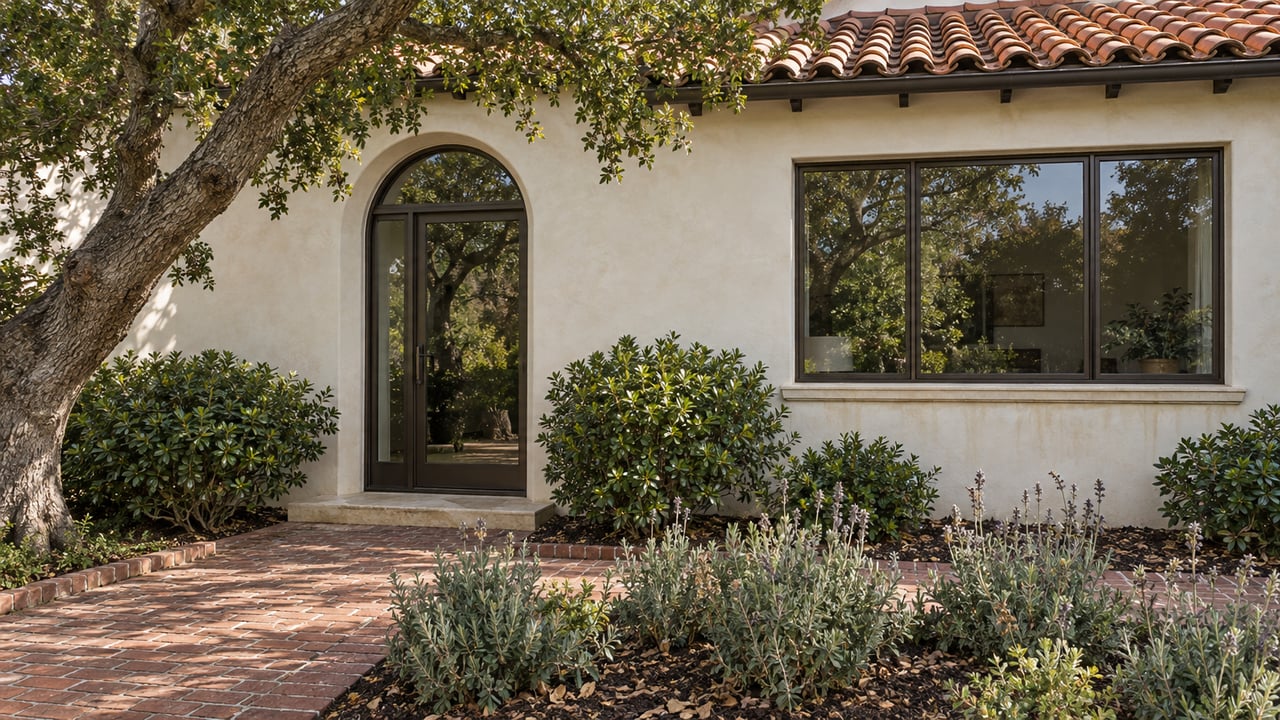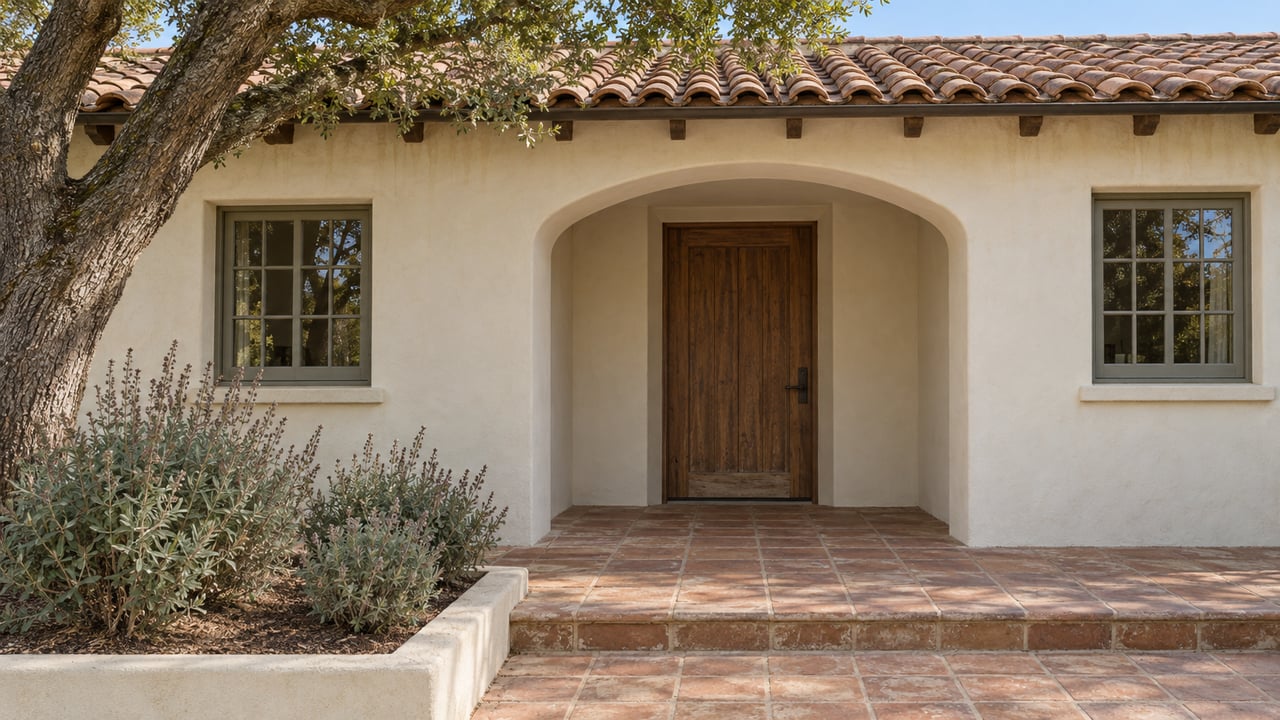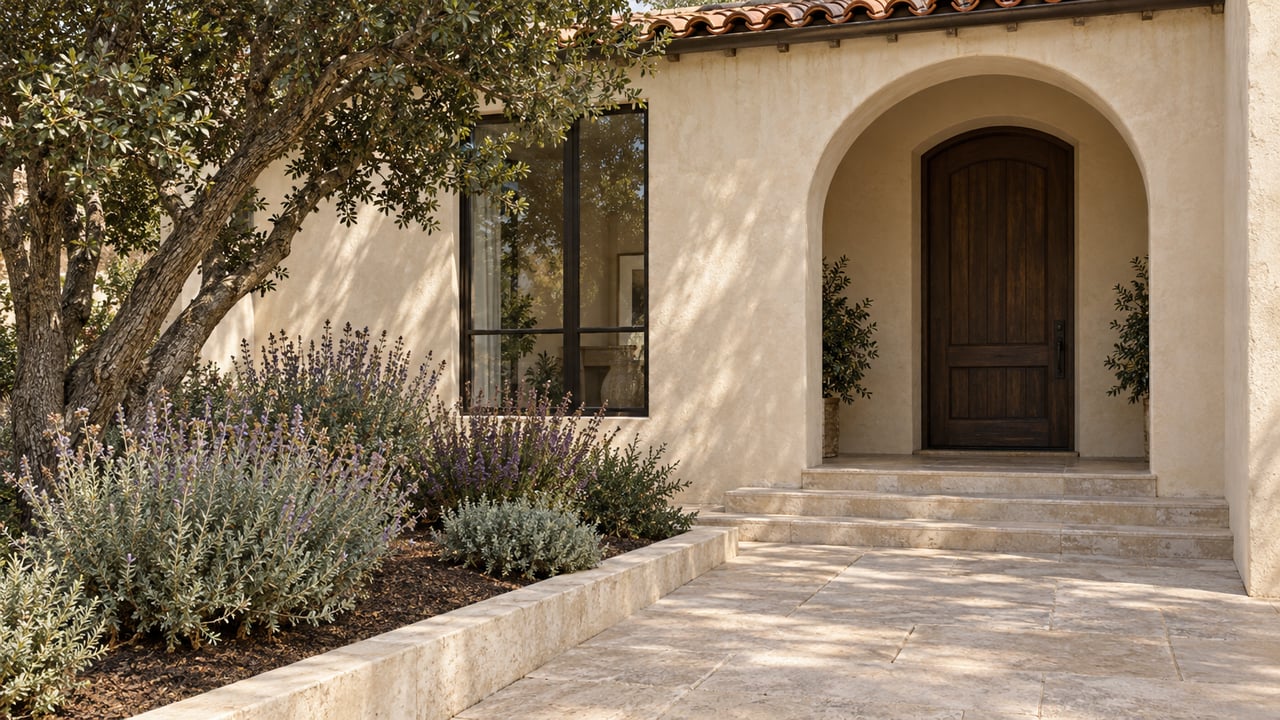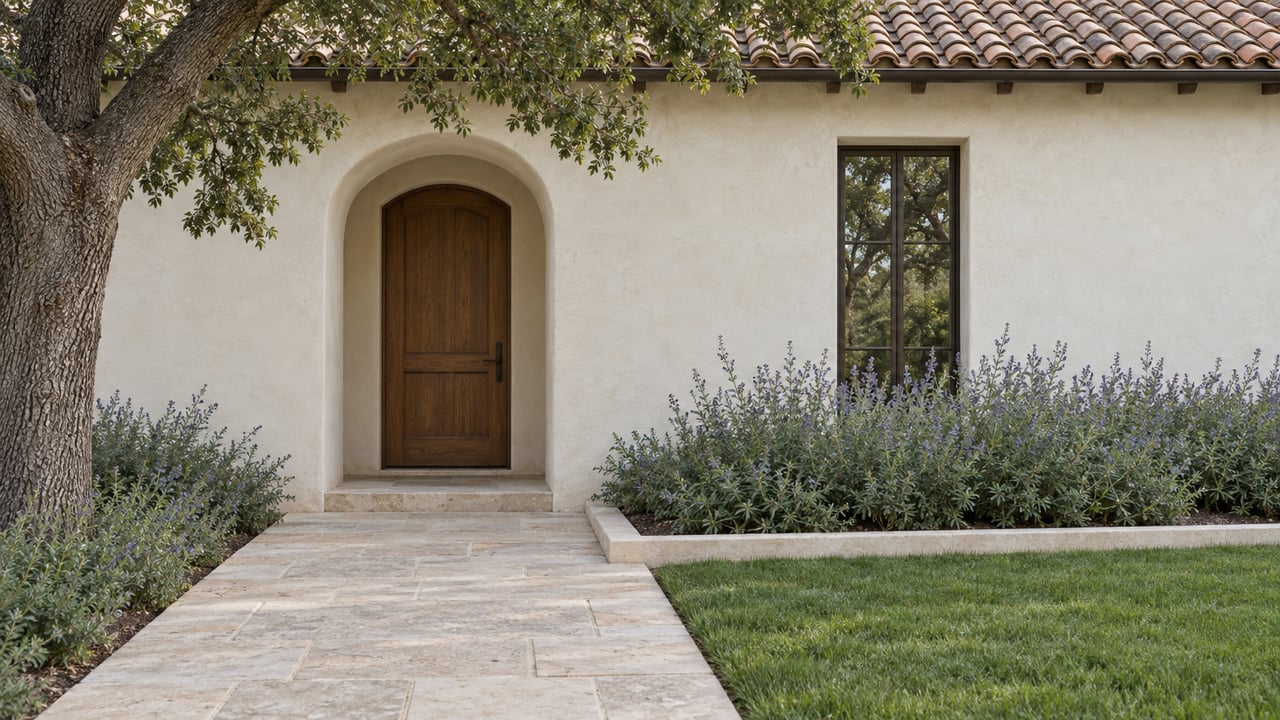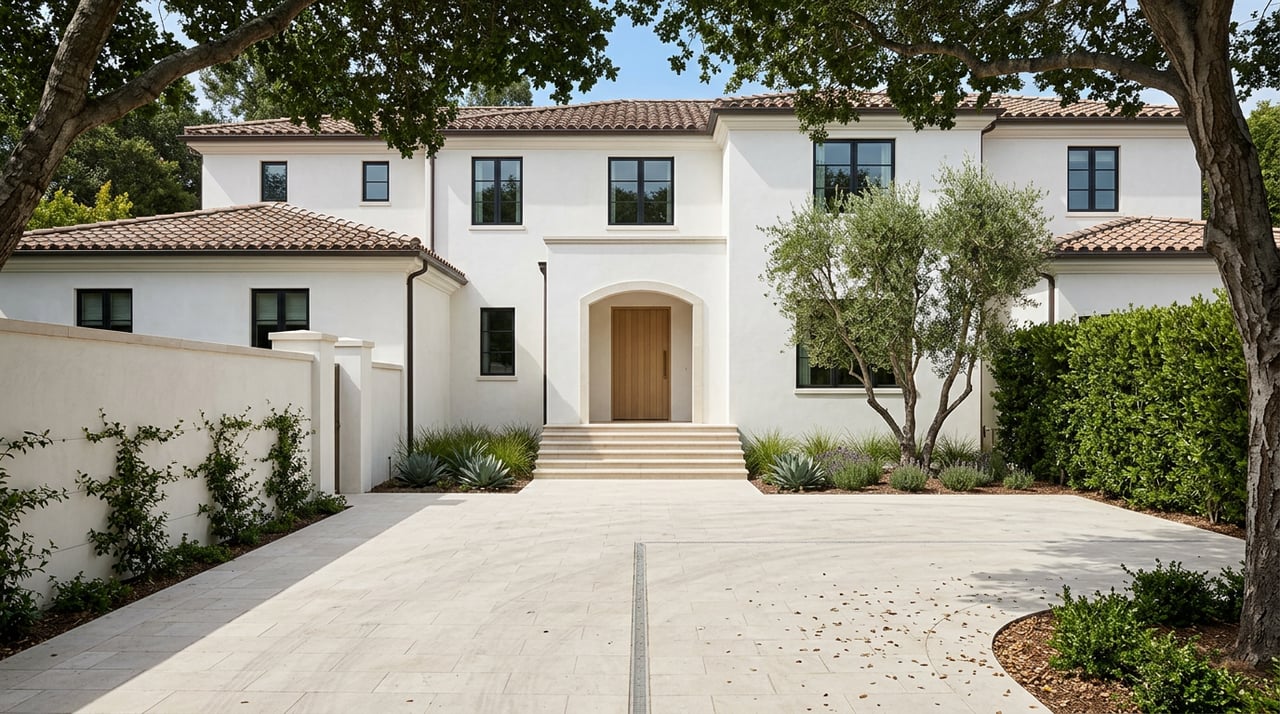
Looking for more privacy, usable land, and a true estate feel without crossing over the hill? Encino’s gated communities and estate pockets deliver just that, from hillside compounds hidden by oaks to broad, flat lots with room for sport courts and guest houses. If you want space, security features, and a refined indoor-outdoor lifestyle, this guide will help you pinpoint the right micro‑pocket, price band, and due‑diligence steps. You’ll learn how Encino compares with nearby markets, what gates and HOAs really cover, and the key checks to run before you write an offer. Let’s dive in.
Why Encino stands out
Encino blends Valley access with serious estate scale. Market snapshots for early 2026 often show a median sale price around $1.4–$1.5M, but the gated and estate pockets below trade well above that figure. You see larger lots than many Westside options, a wide mix of classic ranch and newer custom builds, and a strong set of privacy amenities like long motor courts and hedged frontage. If you want space, a pool, and a quiet, green setting, Encino often offers more for the price than Westside trophy areas while keeping 101 and 405 access in reach.
Encino’s key gated pockets
Royal Oaks
Royal Oaks is one of Encino’s premier hillside estate corridors, anchored by Royal Oak Road and nearby streets. Lots commonly range from about half an acre to over an acre, with long gated driveways and mature oaks. You’ll find everything from upgraded mid‑century ranch homes to large contemporary custom estates with tennis courts, guest houses, and collector garages. Top‑tier properties in this pocket can reach $10M+; verify current comps on Royal Oak Road for the latest pricing.
Amestoy Estates
North of Ventura Boulevard, Amestoy Estates offers mostly level, park‑like parcels with deep setbacks. Architecture ranges from traditional and Mediterranean to substantial rebuilds and new construction. Many homes are privately gated and sit on about 0.3 to over 1 acre, which makes yard space very usable for pools and outdoor kitchens. Gated listings often start in the mid‑$2M–$4M range and push into the high single digits or low eight figures for extensively reimagined estates.
Clark Gable Estates
This southeast Encino enclave carries classic Hollywood pedigree and an emphasis on privacy. Large lots, long motor courts, and detached guest houses are common. You’ll see a mix of mid‑century residences and newer custom builds, often with sport courts or generous pool terraces. Pricing for gated compounds here frequently runs in the multi‑million band, with $3–$10M+ not uncommon on the best streets.
Rancho Estates
South of Ventura Boulevard, Rancho Estates features larger parcels with a blend of ranch, English‑inspired, and modern rebuilds. Many homes are individually gated and sit on roughly 0.3–0.6+ acre lots. Gated properties typically close in the $2M–$6M range depending on location, yard usability, and the level of remodel.
Lake Encino / Los Encinos area
Near Los Encinos State Historic Park, the Lake Encino pocket offers a more tranquil, park‑adjacent feel. Some homes are privately gated and positioned on larger lots relative to nearby streets off Ventura. Architecture includes mid‑century modern homes and renovated estates. You’ll often see listings in the low to mid millions, with roughly 0.2–0.45 acre parcels and occasional larger exceptions.
Guard‑gated enclaves (example: The Colony)
Encino has a small number of guard‑gated or guard‑patrolled enclaves compared to places like Hidden Hills. These communities market controlled main gates, private internal roads, and defined security services. Expect HOA or guard fees to cover staffing and common‑area costs. Prices commonly trend higher than nearby non‑guarded pockets, often starting around the mid‑ to high‑single‑million range and up, depending on lot size and build quality.
Mulholland / Encino Hills boundary note
“Encino Hills” and Mulholland‑adjacent addresses can blur municipal lines with neighboring areas like Sherman Oaks or Beverly Hills Post Office. Always verify legal boundaries and zip codes before marketing or labeling a property. For general context on the Mulholland corridor and adjacent private enclaves, you can review the entry for Mulholland Estates, then confirm exact parcel data through local records when evaluating a specific address. See the overview for context at the Mulholland Estates page on Wikipedia.
Lot sizes, styles, and amenities
Typical lot sizes by pocket:
- Royal Oaks, Clark Gable Estates, larger hillside streets: about 0.5–1.5+ acres on premier lots.
- Amestoy Estates, Rancho Estates, Balboa corridor: about 0.25–0.75 acre with broad lawns and pool zones.
- Lake Encino and Ventura‑adjacent parcels: about 0.2–0.45 acre, with some larger outliers.
Common architecture and upgrades:
- Updated mid‑century ranch and traditional California homes are prevalent.
- Newer estates often feature contemporary or Mediterranean/Spanish design with open plans and walls of glass.
Estate‑level amenities you’ll often see:
- Gated motor courts, circular drives, and 3‑plus car garages, sometimes subterranean or multi‑bay.
- Pools, spas, outdoor kitchens, and covered dining terraces for daily indoor‑outdoor living.
- Sport courts, guest houses or ADUs, home theaters, gyms, and wine rooms.
- On larger hillside parcels, look for terraced gardens, view decks, and expanded privacy hedging.
Price tiers to expect
Encino’s gated and estate properties form micro‑markets that price at a premium to the broader neighborhood median. Based on 2024–2026 patterns, here is a practical starting framework. Always confirm street‑level comps for the home you’re targeting.
- Entry estate tier: about $3M–$5M for smaller gated compounds or updated homes on roughly 8,000–20,000 sq ft lots.
- Mid estate tier: about $5M–$10M for half‑acre usable lots with significant upgrades or a newer custom build.
- Trophy tier: $10M+ for 1‑plus acre ridge or cul‑de‑sac sites with major custom estates and full amenity packages.
Encino vs. nearby luxury markets
- Value positioning: Encino typically offers larger lots and privacy at lower headline prices than Bel Air or Brentwood, while commanding more than entry Valley neighborhoods like Tarzana or Van Nuys. This balance pulls many move‑up buyers who want scale without a Westside commute.
- Access: The 101 and 405 are close, but hillside pockets may have a single primary access road. Factor drive times and showing logistics into your decision.
- Liquidity: Ultra‑high‑end estates have a narrower buyer pool than more central Westside addresses. Days on market can vary widely by street and spec level, so comp at the micro‑pocket level.
Buyer checklist for gated homes
Use this practical list to protect your upside and avoid surprises during escrow.
- Confirm pocket and boundaries: Many pocket names are informal marketing labels. Verify parcel data and MLS polygons to ensure the address is properly represented. When Mulholland is involved, confirm whether a property is administratively within Encino or a neighboring area; review context at the Mulholland Estates overview on Wikipedia.
- Identify the gate type: Is it a private driveway gate on private land, or a gate that affects a public right‑of‑way? If a street is or was public, you may need to review street‑vacation history and conditions. Learn how Los Angeles processes street vacations in the City’s Bureau of Engineering FAQ.
- HOA, CC&Rs, and budgets: If the property sits within a guard‑gated enclave or planned development, request the full resale packet early. Review budgets, reserves, recent minutes, and any special assessments or litigation. California’s Davis‑Stirling rules govern required disclosures and timing.
- Security specifics in writing: Confirm guard hours, post orders, visitor and contractor policies, and the exact security contractor arrangement. If gate staffing is part of HOA dues, note current monthly costs and any pending changes.
- Emergency access: Ask about Knox box locations and first‑responder protocols. If gates cross former public streets, verify approvals and easements through title and City records. The Bureau of Engineering FAQ above explains why these details matter.
- Wildfire and insurance: Hillside or Mulholland‑adjacent parcels may fall within High or Very High Fire Hazard Severity Zones. Check your parcel’s designation through the Los Angeles Fire Department’s Fire Zone map and confirm defensible‑space and fire‑hardening rules that can affect insurance and escrow timelines. Review the LAFD Fire Zone map and the Los Angeles County Fire Department’s hazard reduction program for requirements.
- Private roads and maintenance: If streets are private, owners or the HOA typically fund road upkeep, drainage, and landscaping. Clarify obligations and cost‑sharing before you remove contingencies.
- Permits and redevelopment limits: Large lots can trigger hillside standards, zoning overlays, and protected‑tree ordinances, including oak and heritage tree rules. If you plan to remodel, add square footage, or pursue SB 9 opportunities, consult current LADBS and planning codes early.
- Vendor and guest logistics: Gated settings may restrict delivery windows or contractor access. Confirm policies for movers, events, and daily service providers.
- Price with hyper‑local comps: Run a street‑level comp set for the past 12–24 months. Trophy estates and guard‑gated homes behave like distinct submarkets, so macro medians are not a reliable guide.
How to choose your pocket
Start with your land and privacy priorities. If you want a broad, flat backyard with easy daily flow, Amestoy or Rancho Estates may fit better than a steep hillside site. If your wish list includes long views, a high‑end gym, theater, and a collector garage, Royal Oaks or Clark Gable Estates likely deliver the scale. If guard staff and controlled entries are non‑negotiable, focus on the small number of guard‑gated enclaves.
Next, align commute and lifestyle. Map daily drives to school, work, and studios, then test routes at your typical hours. Finally, set your budget range against the three price tiers above and let recent street‑level comps refine your target strike price. A clear brief saves time and helps you move fast when the right gate opens.
Ready to tour Encino’s best gated homes or position your estate for a premium sale? Let’s build a plan tailored to your goals, timeline, and must‑haves. Reach out to Ingrid Sacerio to Schedule a Private Consultation.
FAQs
What are Encino’s main gated pockets and how do they differ?
- Royal Oaks and Clark Gable Estates offer larger hillside lots and trophy builds; Amestoy and Rancho Estates deliver flatter, usable yards; guard‑gated enclaves add controlled entries and HOA services.
How much do gated homes in Encino cost in 2026?
- As a guide, expect about $3M–$5M for entry estates, $5M–$10M for mid‑tier half‑acre properties, and $10M+ for 1‑plus acre trophy builds; confirm with street‑level comps.
Are there guard‑gated communities in Encino?
- Yes, a few small guard‑gated enclaves exist, often with private roads and 24‑hour or scheduled staffing; homes here typically command a premium and include HOA or guard fees.
What wildfire and insurance checks should I run for hillside estates?
- Verify if the parcel is in a High or Very High Fire Hazard Severity Zone using the LAFD Fire Zone map and confirm defensible‑space and fire‑hardening requirements with LAFD/LACoFD.
How do HOA fees and security contracts work in gated enclaves?
- HOAs may fund guard staffing, road upkeep, landscaping, and reserves; request the full resale packet early to review budgets, reserves, security terms, and any special assessments.
How does Encino compare with Brentwood or Bel Air on value?
- Encino generally offers larger lots and privacy at lower headline prices than Westside elite markets, while pricing above entry Valley neighborhoods; exact gaps vary by street and spec.
What should I confirm about gates across public streets?
- If a gate affects a public right‑of‑way, review City approvals and any street‑vacation history and conditions through the Los Angeles Bureau of Engineering’s street‑vacation guidance.