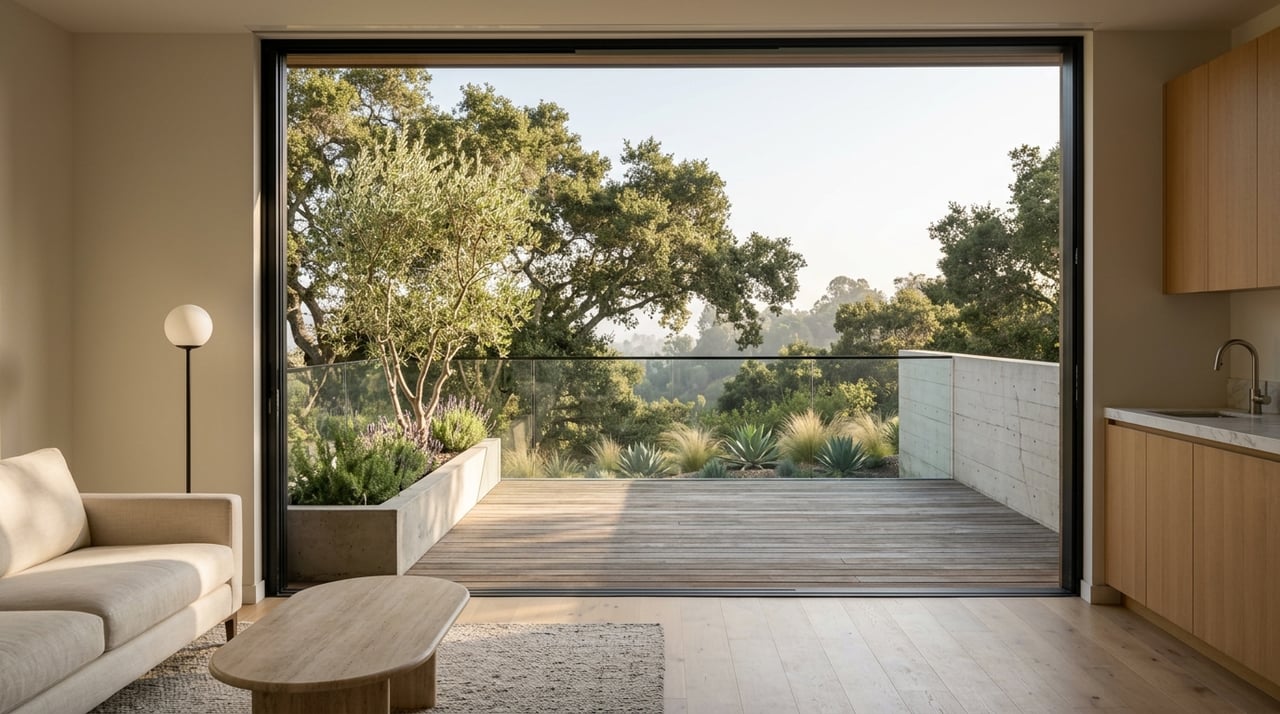
A view can be the reason you fall in love with a home in seconds. In Hollywood Hills East, though, buying a view home is about more than a dramatic sunset or a glittering city-light backdrop. You also need to understand the hillside, the access, the architecture, and the long-term rules that shape how the property lives and holds value. If you are considering a purchase here, this guide will help you look past the wow factor and evaluate what really matters. Let’s dive in.
Why Hollywood Hills East Feels Different
Hollywood Hills East does not behave like a flatland neighborhood. According to the City of Los Angeles Hollywood Community Plan area, this broader area includes hillside communities south of Mulholland Drive, and relevant overlays include the Hillside Construction Regulation supplemental use district and the Whitley Heights historic preservation overlay zone.
That matters because topography and planning rules can affect what you can remodel, expand, or rebuild. In practical terms, two homes with similar square footage may offer very different ownership experiences depending on slope, street access, retaining walls, and historic context.
Historic hillside areas here were shaped around terrain first, not convenience first. The Whitley Heights National Register nomination describes a Mediterranean hillside village with graded roads, retaining walls, pedestrian steps, and early height limits intended to preserve views.
The result is part of the appeal. It is also part of the due diligence. When you buy in Hollywood Hills East, you are buying into a hillside system, not just a house.
What You Are Really Paying For
A view premium is real, but it is not one-size-fits-all. Douglas Elliman’s January 2026 micro-market report shows Hollywood Hills East single-family homes with a median price of $1.65M, an average price per square foot of $916, 6 sold, 7 pending, 105 for sale, and 75 days on market. Over the prior 12 months, the average median price was $1.94M.
That same report shows Hollywood overall at a median price of $1.825M and $854 per square foot. This suggests Hollywood Hills East can command a stronger price per square foot even when the median sale price is lower, likely because view quality, lot shape, and home configuration vary so much from one pocket to the next.
Research also shows that views can add value, but the premium depends on the type and quality of the view. A review of residential view studies found street-level view premiums in the roughly 4.9% to 9.29% range across empirical studies, with neighborhood-park views averaging 5.6%.
For you as a buyer, the takeaway is simple: you are not paying for “a view” in the abstract. You are paying for how wide the view corridor is, whether it is captured from primary living spaces, and how likely it is to remain open over time.
How to Judge a True View Home
Not every home with a hillside perch is a true view property. Some homes offer a glimpse from one corner of the deck, while others frame the skyline from the kitchen, living room, and primary suite.
When touring homes, pay attention to where the view actually lives in the floor plan. The best view homes tend to capture the outlook from the spaces you will use every day, not just from a balcony you visit occasionally.
Ask yourself these questions:
- Is the view visible from the main living areas?
- Does the primary bedroom share the same visual impact?
- Is the view wide and layered, or narrow and easy to lose?
- Are there nearby structures, trees, or lots that could affect the outlook later?
- Does the architecture frame the view well, or does the layout waste it?
A strong view home usually feels intentional. The site, room placement, and window lines should work together.
Architecture Matters More Here
In Hollywood Hills East, architecture is part of the value story. The area includes hillside homes with strong visual identities, from Mediterranean and Spanish-inspired residences to ranch homes and select mid-century properties.
The Whitley Heights nomination notes that the district was designed as a Mediterranean hillside village, with many homes in Mediterranean character and original restrictions that required Italian or Spanish-style architecture with plastered exteriors and height limits intended to preserve views. That historic design language still shapes expectations in some parts of the hills.
The Hollywood Heights Association describes a steep hill environment where stairways and walkways were needed because the terrain was not suited to wide roads and automobiles. It also notes that home styles range from ranch to Tuscan Mediterranean, with a few mid-century originals.
At the modernist end of the spectrum, the Los Angeles Conservancy’s profile of the Stahl House highlights how iconic hillside design can merge glass, steel, and dramatic siting. It also points out a less glamorous reality: fragile hillsides, retaining walls, and slope work are part of the ownership equation.
For buyers, this means design is not just aesthetic. In this market, architecture can improve how a home captures light, privacy, and the view itself.
Hillside Access Can Change Everything
One of the biggest mistakes buyers make is focusing on finishes and ignoring access. In hillside neighborhoods, how you get to the home matters almost as much as the home.
The City of Los Angeles hillside development standards checklist outlines the issues that often come into play for hillside properties, including street access, roadway width, continuous paved roadway access, slope analysis, grading limits, lot coverage, parking, and driveway width. The checklist states that every access driveway must be at least 9 feet wide and that formal slope-analysis documentation is required for hillside projects.
Even if you are not planning a major remodel right away, these standards matter. They can affect future plans, vendor access, parking ease, move-in logistics, and day-to-day livability.
Questions to ask about access
- How wide is the driveway and approach?
- Is street parking limited or difficult?
- How easy is it to turn in and out?
- Are there long stair runs from the garage or street to the front door?
- Would construction or maintenance access be challenging later?
A view home should still work for real life. If access feels stressful every time you arrive, the glamour can wear off quickly.
Fire-Zone Rules Are Part of Ownership
Fire risk is a core part of buying in this area. According to the Los Angeles Fire Department, the Very High Fire Hazard Severity Zone covers most hilly and mountainous parts of Los Angeles and includes Hollywood.
LAFD also notes that AB38 requires buyer disclosures for residential property in the zone. In addition, there are year-round vegetation management requirements within 200 feet of structures and within 10 feet of combustible fences or roadway and driveway surfaces.
The department also uses Red Flag parking restrictions on narrow roads, sharp curves, hairpin turns, and key intersections to help keep evacuation routes open. In a neighborhood built around steep roads and hillside geometry, these details are not minor.
What this means for you
Owning a view home here may involve:
- Ongoing vegetation management
- Attention to defensible space requirements
- Reviewing required disclosures carefully
- Understanding how narrow roads affect parking and access during high-risk periods
- Budgeting for maintenance that supports hillside safety
A polished home tour may not highlight these realities, but they are part of responsible ownership.
Look Beyond the Listing Photos
In Hollywood Hills East, listing photography can be stunning, and rightly so. But the best buying decisions happen when you move beyond the images and evaluate the full property story.
Try to think about the home in three layers: the view, the site, and the rules. A beautiful skyline outlook has more lasting value when the lot is workable, the access is realistic, and the property fits within hillside and fire-zone constraints.
That is especially important in a market where homes can differ dramatically from one street to the next. Two houses may be close geographically but offer very different experiences in parking, privacy, stairs, maintenance, and future flexibility.
A Smart Buying Checklist
If you are seriously considering a view home in Hollywood Hills East, this checklist can help you stay grounded during the search:
- Confirm where the best view is enjoyed inside the home
- Evaluate whether the view feels durable over time
- Review driveway, street access, and parking conditions
- Ask about retaining walls, slope conditions, and hillside maintenance
- Understand whether overlays or hillside rules may affect future changes
- Review fire-zone disclosures and vegetation responsibilities
- Consider whether the architecture makes the most of the setting
- Balance visual impact with daily usability
The goal is not to talk yourself out of a special property. It is to make sure the property is special for the right reasons.
The Best View Homes Balance Beauty and Practicality
The strongest Hollywood Hills East purchases usually share the same traits. They offer a compelling view, thoughtful architecture, and a site that works in everyday life.
That combination is what separates a home that photographs beautifully from one that remains enjoyable and valuable long after closing. In a hillside market, the most successful purchase is often the one where emotion and due diligence are both given equal weight.
If you want expert guidance as you search for a view home in Los Angeles, Ingrid Sacerio offers boutique, research-driven representation with the high-touch care buyers need in complex hillside transactions.
FAQs
What makes buying a view home in Hollywood Hills East different from buying in other Los Angeles neighborhoods?
- Hollywood Hills East is a hillside market, so you need to evaluate slope, access, retaining walls, planning overlays, and fire-zone rules in addition to the home itself.
What is the median price for single-family homes in Hollywood Hills East?
- Douglas Elliman’s January 2026 micro-market report shows a median price of $1.65M for Hollywood Hills East single-family homes.
What should buyers look for in a Hollywood Hills East view home?
- Focus on whether the view is enjoyed from primary living spaces, how durable the view corridor appears, and whether the architecture and site make the most of the setting.
Are fire-zone disclosures required for Hollywood Hills East homes?
- Yes. LAFD states that AB38 requires buyer disclosures for residential property located in the Very High Fire Hazard Severity Zone.
Can hillside rules affect future remodeling plans in Hollywood Hills East?
- Yes. City hillside standards can affect access, driveway width, slope analysis, grading, lot coverage, parking, and other factors that may influence future improvements.