Are you planning to sell a luxury home in Sherman Oaks and want a clear, low-stress plan to maximize your net proceeds? You are not alone. In this Valley corridor, buyers compare options fast and reward homes that feel turnkey, private, and thoughtfully presented. This guide gives you a step-by-step path to get market-ready in about four weeks, from required disclosures to smart upgrades, staging, and media that moves buyers to act. Let’s dive in.
Start with the market reality
Sherman Oaks sits in a competitive Los Angeles Valley luxury corridor alongside Studio City and Encino. Typical values land in the upper six to low seven figures, and buyers at this price point expect a refined, move-in-ready experience. Your goal is to showcase indoor and outdoor living, upgraded kitchens and baths, flexible office space, and well-maintained systems like roof, HVAC, and pool.
Accurate pricing and photo-ready presentation work together. Well-qualified buyers will compare your home to nearby listings within days, so you want clean disclosures, strong visuals, and a price strategy grounded in local comps.
Handle required disclosures early
Getting your legal and municipal items started up front protects your leverage in negotiations and prevents delays in escrow. Here is what to order and when.
State disclosures
- Transfer Disclosure Statement. California requires sellers to disclose known material facts about the property. Start this early so your agent can reference it in marketing and pre-qualify buyers. Review the basics in the California Civil Code summary of the Transfer Disclosure Statement requirements at Legal Clarity.
- Natural Hazard Disclosure Statement. Sellers must disclose if the property lies in mapped hazard zones like flood, fire severity, or seismic. Many sellers use a third-party NHD provider. See the statutory framework described by Law Justia.
- Lead-based paint disclosure for pre-1978 homes. You must provide the EPA pamphlet and disclose known information. Buyers get the right to test within the inspection period. Review the federal guidance from the EPA.
City of Los Angeles items
- Residential Property Report, often called the 9A or RPR. For homes within Los Angeles city limits, escrow requests the City’s report, which includes permit history checks and confirms required retrofit items. See a practical overview at Retrofit LA.
- Water conservation retrofit compliance. The City and LADWP require a certificate confirming low-flow fixtures meet code. Local escrow teams flag this early. Learn how it is typically handled through QC Home Inspect.
- Safety retrofits. Smoke and carbon monoxide detectors, water-heater strapping, and in some cases a seismic gas shut-off are commonly confirmed before close. The City’s RPR process helps track these items. See additional context via Retrofit LA.
If your home is in an HOA
- Order the HOA resale disclosure package early. California requires delivery of governing documents, budgets, assessment details, and minutes on request. Associations must provide documents within statutory timelines and may charge a reasonable, itemized fee. Ask your management company about their delivery process or review a board-facing overview at HOAMgmt LA.
Unpermitted work and permits
- Check LADBS records for permit history and disclose any unpermitted work. Unpermitted additions can create appraisal, financing, or credit issues if discovered late. Start with a records search and plan any corrections or clear disclosures in advance. For a practical primer on navigating codes and permits, see this local guide at Los Angeles General Contractor.
Order pre-listing inspections
A smart inspection sequence reduces surprises during buyer contingencies and can shorten days on market.
- General home inspection. Hire a qualified inspector to evaluate roof, foundation, electrical, plumbing, HVAC, and pool. Use the findings to prioritize safety fixes and pricing strategy. See why sellers benefit from pre-listing reports at LaRocca Inspections.
- Termite and wood-destroying organism inspection. If your home is older or shows signs of activity, a WDO report helps prevent lender or escrow delays. Many buyers and lenders expect a current report in Los Angeles.
- Permit and code check. Order the City’s Residential Property Report or request LADBS records early to identify open permits or unpermitted work. Decide whether to correct issues or disclose and price accordingly.
- Targeted repair plan. Focus on items that affect financing, safety, and buyer confidence. Examples include electrical hazards, active leaks, fencing or pool-safety issues, and HVAC performance. Minor cosmetic updates can follow.
Prioritize high-ROI improvements
Not every project pays off. National data shows that curb appeal and targeted interior refreshes often return the best value at resale. Review the latest Cost vs. Value trends from Zonda’s 2025 report.
- Eliminate deal-blockers first. Resolve safety and financing issues like active moisture, electrical hazards, and visible roof or pool problems.
- Boost curb appeal next. Small changes like a fresh entry door color, updated lighting, and tidy landscaping can shift first impressions.
- Refresh the kitchen and baths where needed. A light-touch update, like paint, hardware, lighting, and counters, often outperforms a full gut on ROI.
- Align with neighborhood expectations. In Sherman Oaks, buyers favor indoor and outdoor flow, neutral palettes, and turnkey systems. If comps show a premium for an item you lack, consider a targeted refresh.
Typical pre-listing budgets in Sherman Oaks
Local quotes vary, but these ranges help you plan a smart spend:
- Pre-listing inspections. General and WDO inspections commonly range from about $500 to $1,200 per inspection, with specialists more. Source: LaRocca Inspections.
- Cosmetic refresh. Paint, minor kitchen and bath updates, landscaping, and cleaning often range from $5,000 to $40,000 depending on scale.
- Staging. Full luxury staging and furniture rentals for larger, vacant homes can run $5,000 to $25,000 or more per month. See national context at Better Homes & Gardens.
- Professional media. Photography, video, and a 3D tour often range from $500 to $3,000 depending on scope and aerial add-ons.
- Permit corrections. Small fixes can cost a few thousand. Legalizing large, unpermitted additions can exceed $20,000 to $100,000. Confirm history before you plan scope.
Stage and style for Valley luxury buyers
Professional staging supports faster sales and stronger offers. The National Association of Realtors reports that many agents see a 1 to 10 percent increase in offer value from staging, along with shorter time on market. Review the findings in the NAR Home Staging Report.
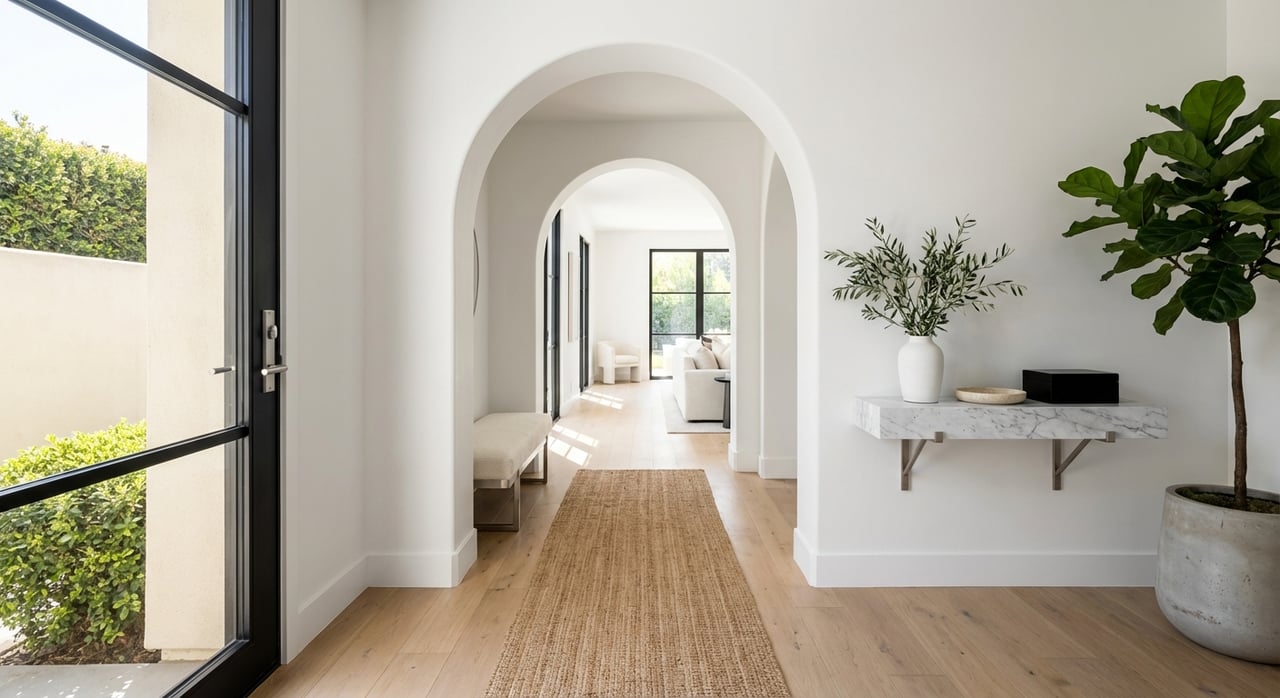
Focus your budget where it counts most: living areas, the kitchen, and the primary suite. Lean into neutral, light palettes with soft textures, layered lighting, and a few statement pieces. Keep the rest of the home edited and clutter-free.
Use this quick staging flow:
- Vacant home: Full staging.
- Lived-in but dated: Partial staging plus decluttering and a deep clean.
- Well-furnished and modern: Professional styling and premium photography.
Build a premium media package
In the Valley, buyers often see your listing online before anything else. Make those first 10 seconds count with polished, magazine-quality visuals.
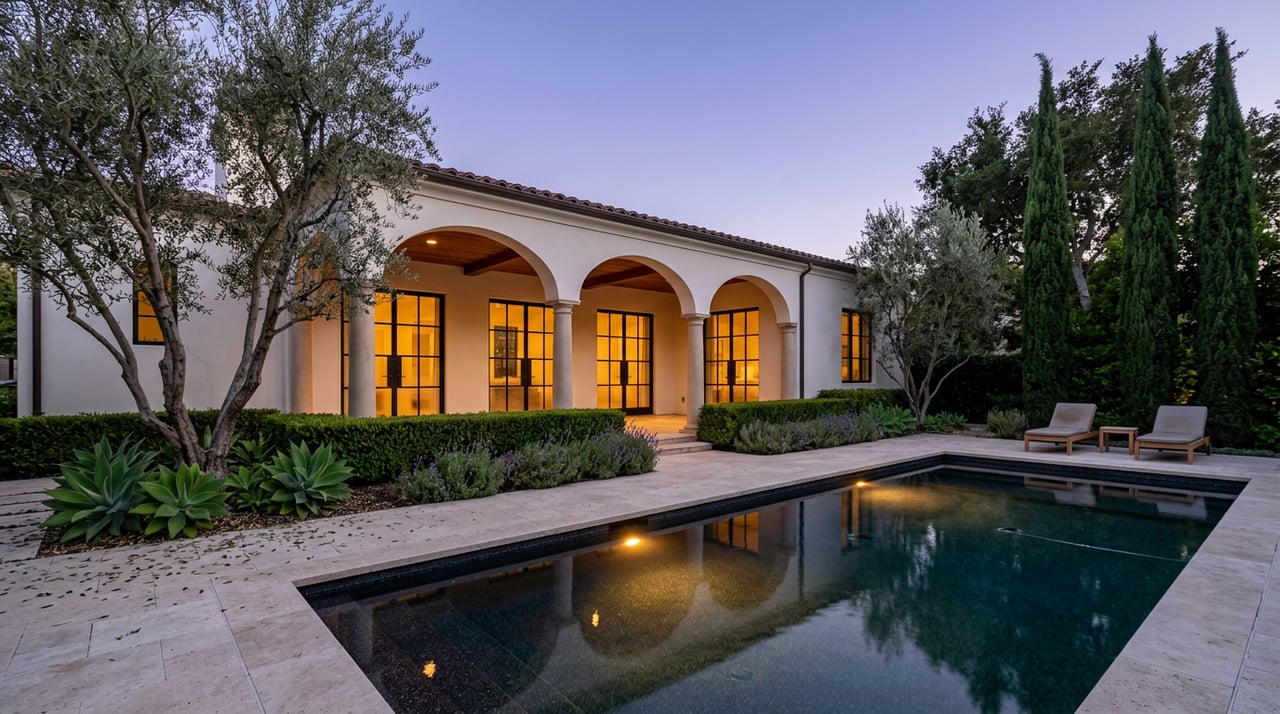
- Professional photography and video. Book interior and exterior shoots, including twilight exteriors that highlight privacy and outdoor amenities. Add a narrated walk-through or lifestyle cut for social and web.
- Floor plan and 3D tour. Buyers appreciate clarity. A 3D or Matterport-style tour paired with a measured floor plan helps them connect to flow and scale.
- Aerial and drone shots. Drone imagery can showcase lot position, treetops, and outdoor living. Work with a certified Part 107 operator who understands local airspace around Van Nuys and Burbank and handles LAANC and Remote ID requirements.
Compliance note on virtual staging and edits. California’s AB 723 requires any materially altered images in advertising to include a clear disclosure that the image was digitally altered, and to provide access to the original unaltered image. Review the statute via LegiScan’s AB 723 text. Local MLS rules were updated to support these disclosures.
Your 4-week low-disruption timeline
This plan gets you market-ready while keeping life manageable.
- Week 4 to 3 before launch: Planning and inspections. Select your listing agent. Order a general pre-listing inspection and termite inspection. Start your City of LA RPR request and gather HOA documents if applicable. Get quotes for targeted fixes. See pre-listing inspection benefits at LaRocca Inspections.
- Week 3 to 2: Repairs and compliance. Complete high-priority safety repairs. Confirm smoke and carbon monoxide detectors and water-heater strapping. Begin the DWP water conservation certificate process as needed. If you have unpermitted work, resolve simple items now or prepare clear disclosures for complex ones. For DWP process context, see QC Home Inspect.
- Week 2 to 1: Styling and media. Declutter, deep clean, and schedule staging. Capture professional photos, twilight exteriors, aerials where permitted, and a 3D tour. Prepare virtual staging only with an AB 723 plan that displays original images.
- Launch week: Marketing and showings. Publish with complete media, a strong description, and a polished property website. Consider broker opens, scheduled show blocks, and private tours to reduce daily disruptions.
Showings and launch strategy
You can manage traffic without losing momentum. Group public showings into defined blocks to limit prep time. Offer private tours for well-qualified buyers and be sure valuables are secured. In a competitive Valley market, this balanced approach keeps your home accessible and your routine intact.
Quick seller checklist
- Complete TDS, NHD, and lead-based paint materials as applicable.
- Start the City of LA RPR request and prepare water conservation compliance.
- Order pre-listing and termite inspections.
- Run a permit history check and prepare disclosures for any unpermitted work.
- Finish high-impact safety and system fixes.
- Approve staging plan and placement schedule.
- Book photography, twilight, aerials, and 3D tour.
- Prepare AB 723-compliant captions for any virtually altered images.
- Set show blocks and private tour protocol.
Ready to position your Sherman Oaks property for a premium result with a calm, organized plan? Connect with boutique, design-forward representation and a research-driven strategy. Schedule a Private Consultation with Ingrid Sacerio.
FAQs
What disclosures are required to sell a home in Sherman Oaks within Los Angeles city limits?
- You should prepare the Transfer Disclosure Statement, the Natural Hazard Disclosure, any lead-based paint materials for pre-1978 homes, and the City’s Residential Property Report with related retrofit confirmations and water conservation compliance, with HOA resale documents when applicable.
How does California’s AB 723 affect virtual staging in real estate marketing?
- If you use materially altered images, you must clearly disclose that the image was digitally altered and provide access to the original unaltered version in your advertising.
Should I get a pre-listing inspection for a luxury home in Sherman Oaks?
- Yes, a pre-listing inspection can surface repair priorities, reduce surprises during buyer contingencies, and support confident pricing and negotiation.
Which upgrades deliver the best ROI before listing a Sherman Oaks luxury property?
- Focus on curb appeal projects and targeted interior refreshes like a minor kitchen update rather than major additions, and align choices with what local comps show buyers will pay for.
How much does professional staging typically cost for an upper-end Valley home?
- Budget can range from a few thousand for partial staging to $5,000 to $25,000 or more per month for full luxury staging in larger, vacant homes.
Do I need drone photos, and are there restrictions near Van Nuys and Burbank?
- Aerials can elevate your marketing, but they must be captured by a certified Part 107 operator who handles local airspace authorization and follows current FAA rules.